
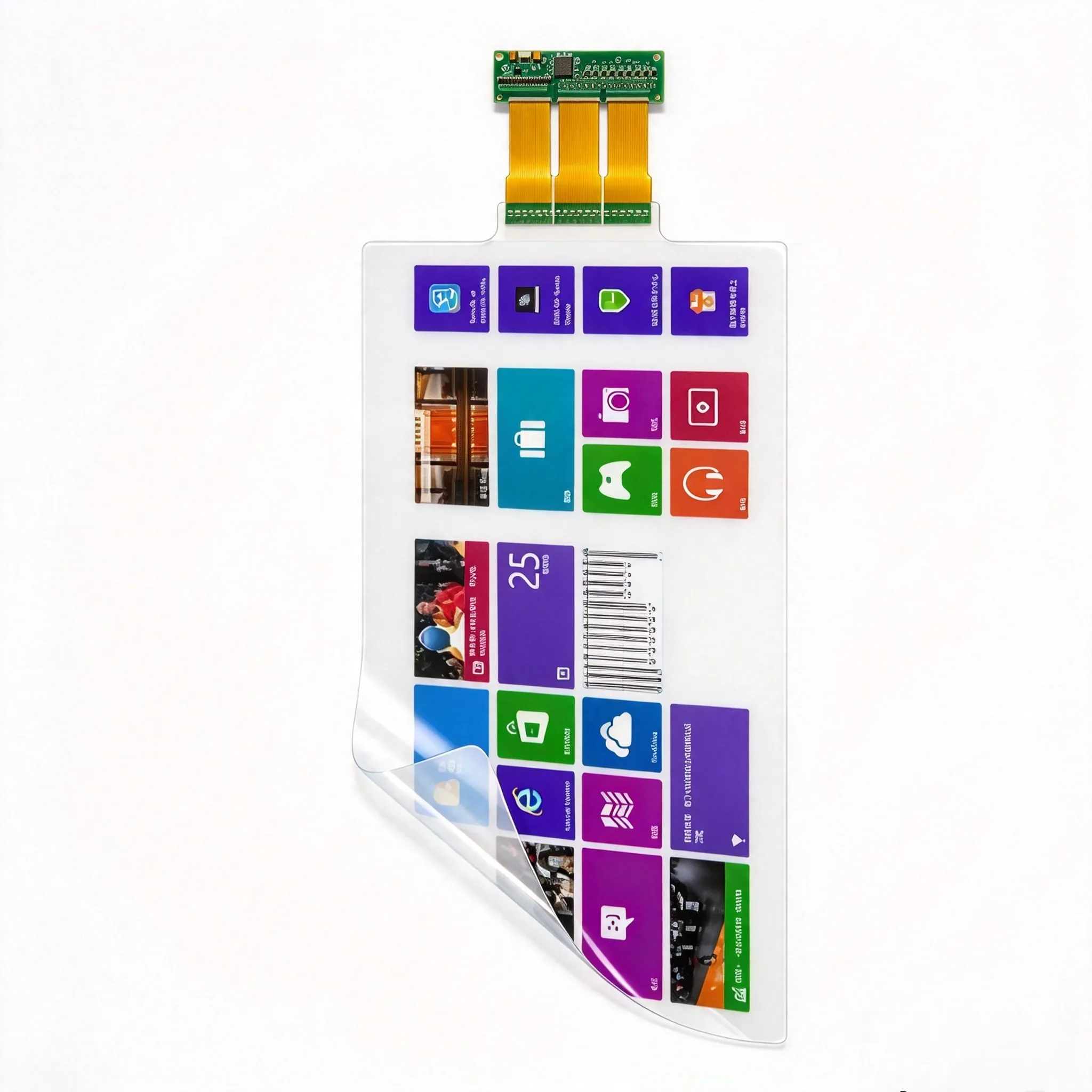
GT-TF-43
View model →
Smart glass and interactive windows integrate ultra-thin touch foil behind glass, enabling seamless touch interaction for offices, shops, and exhibitions. Our nano touch foil and PCAP film offer invisible sensor layers, transforming ordinary glass partitions and storefronts into high-clarity interactive surfaces.
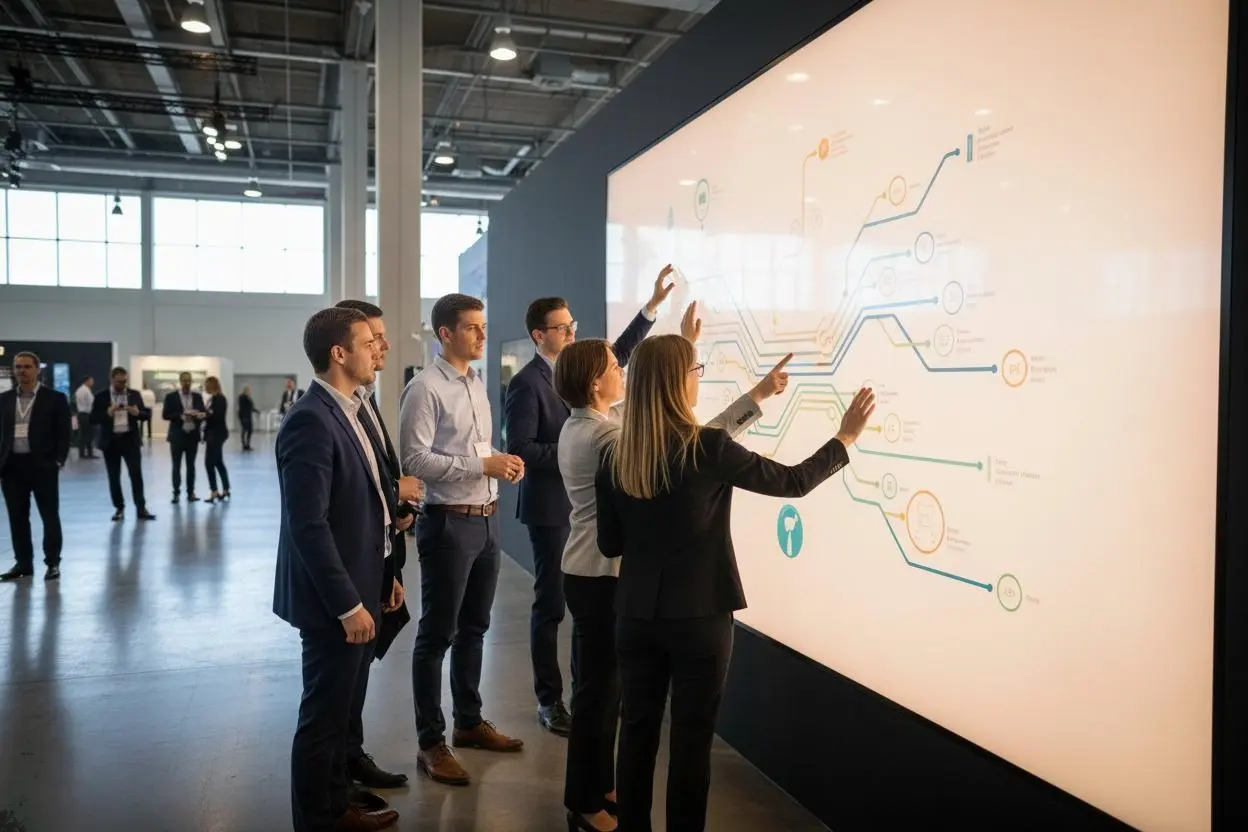
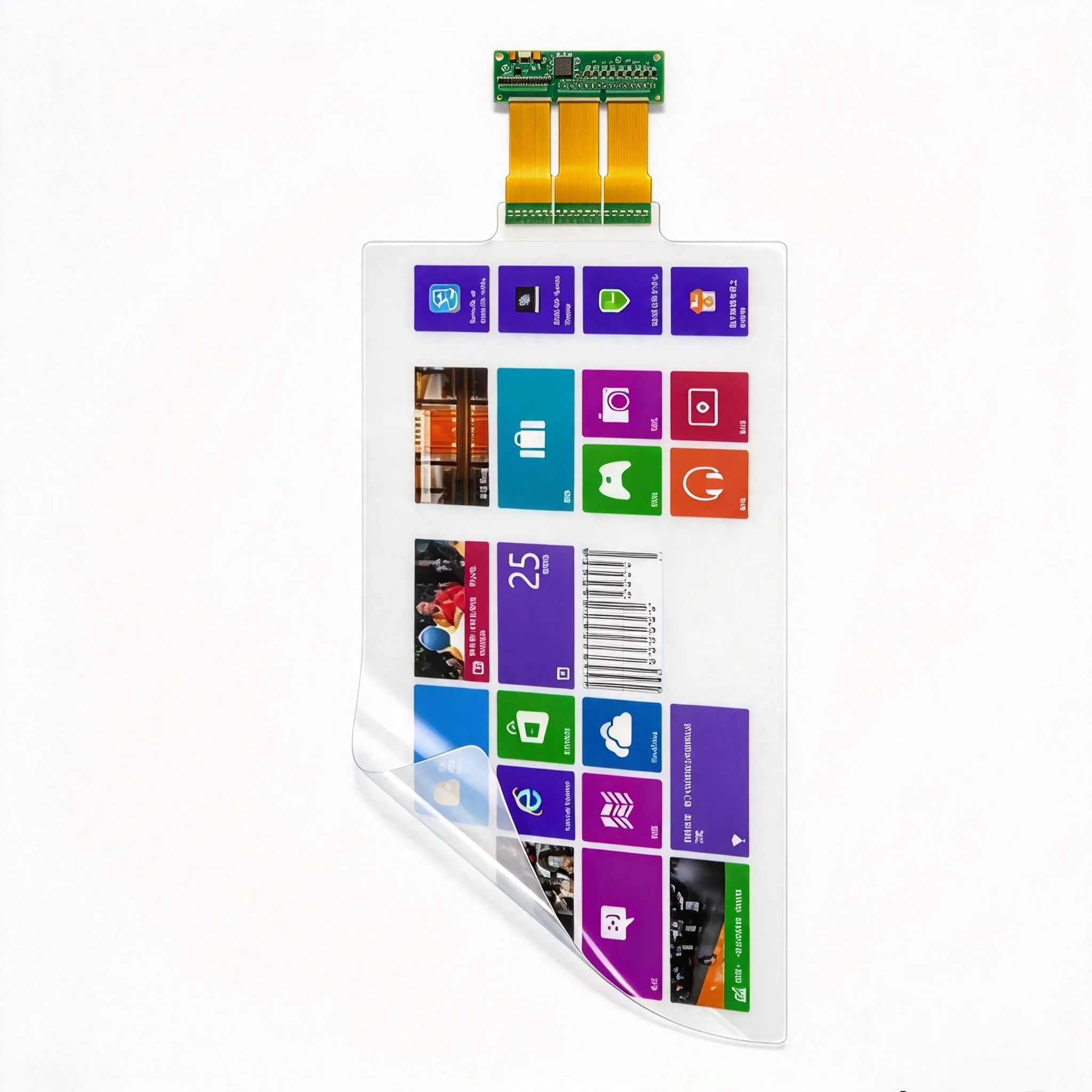
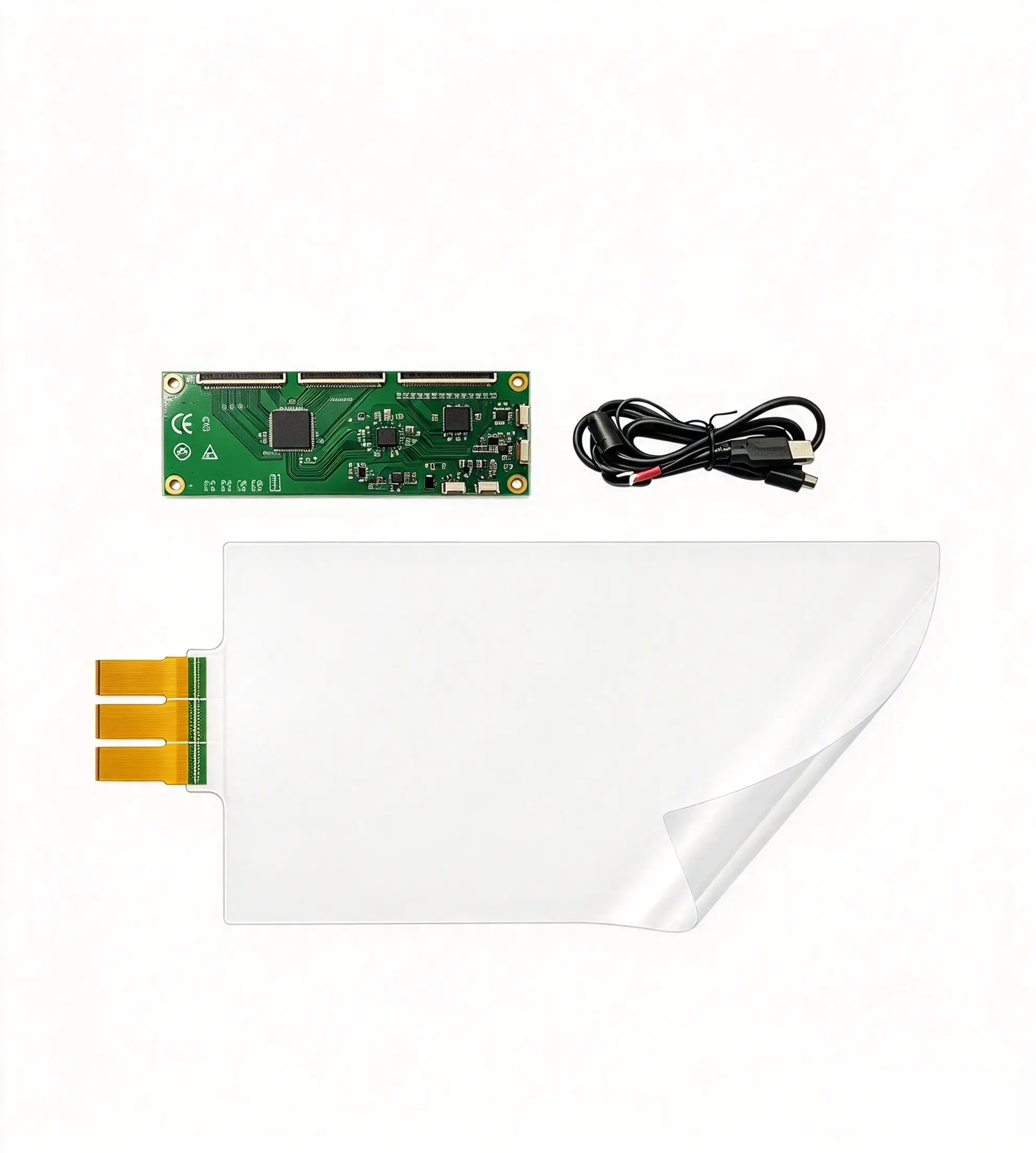
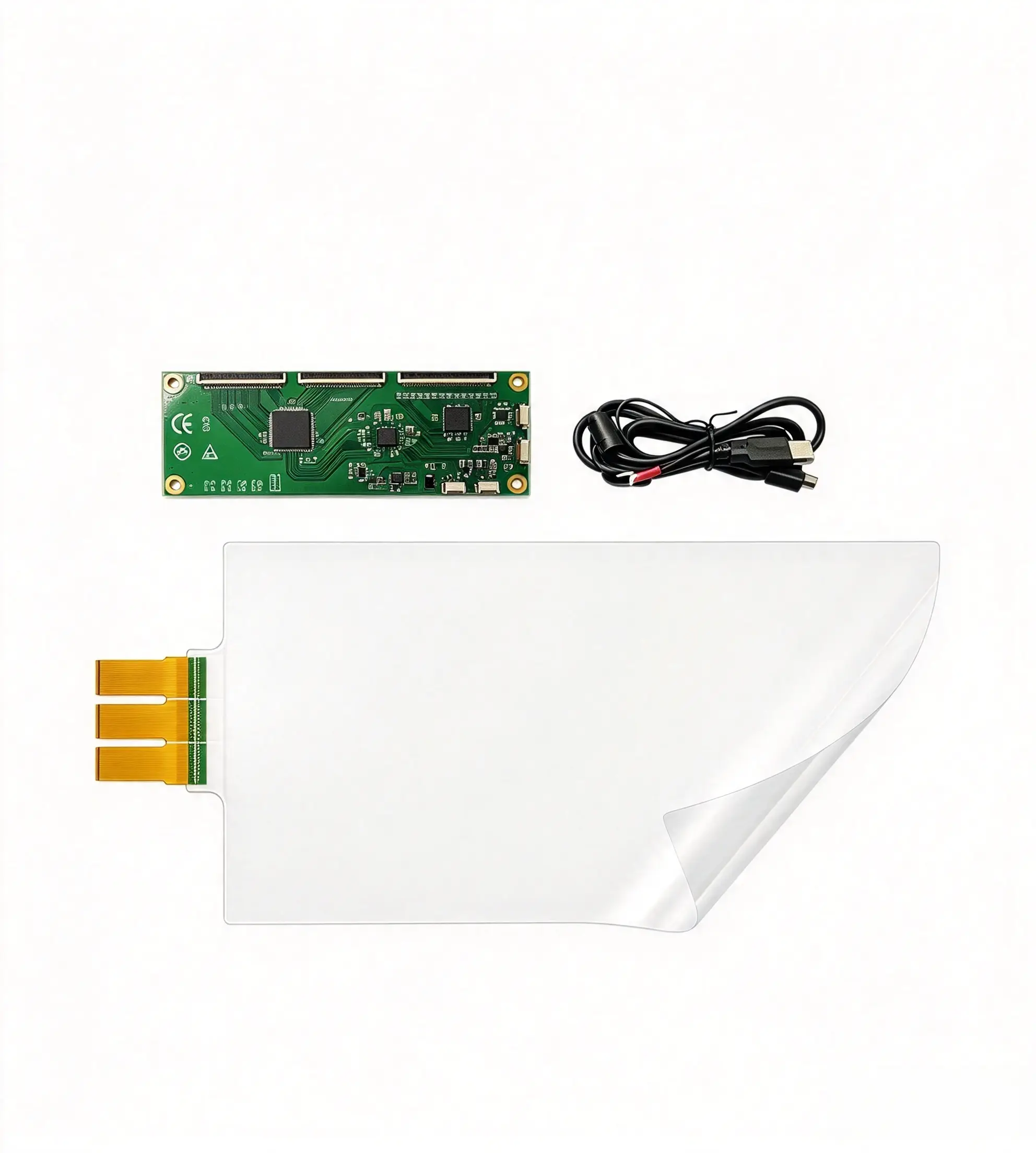
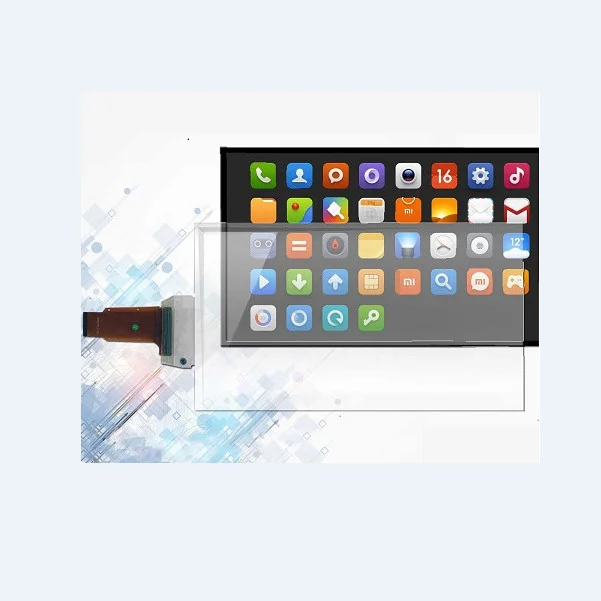
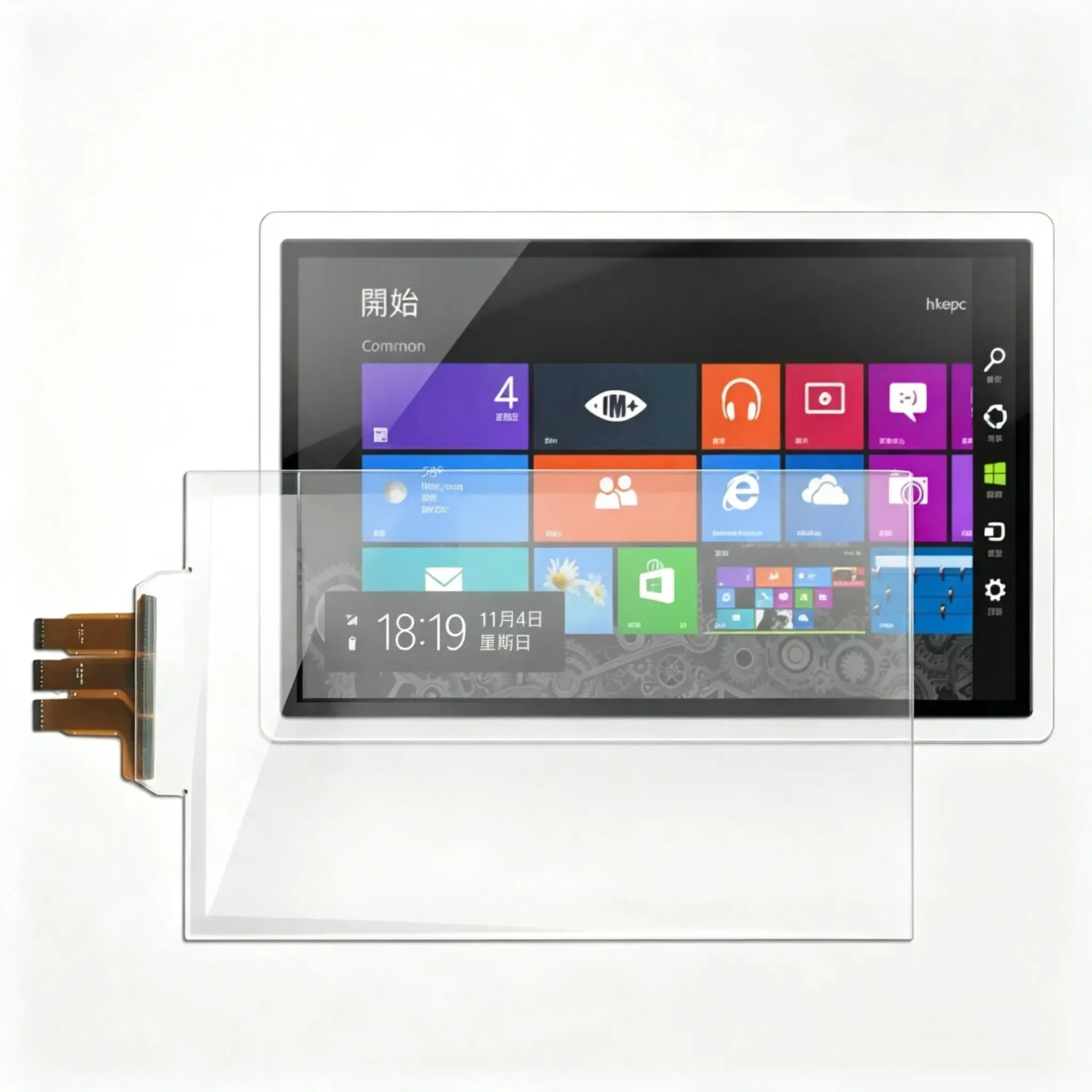
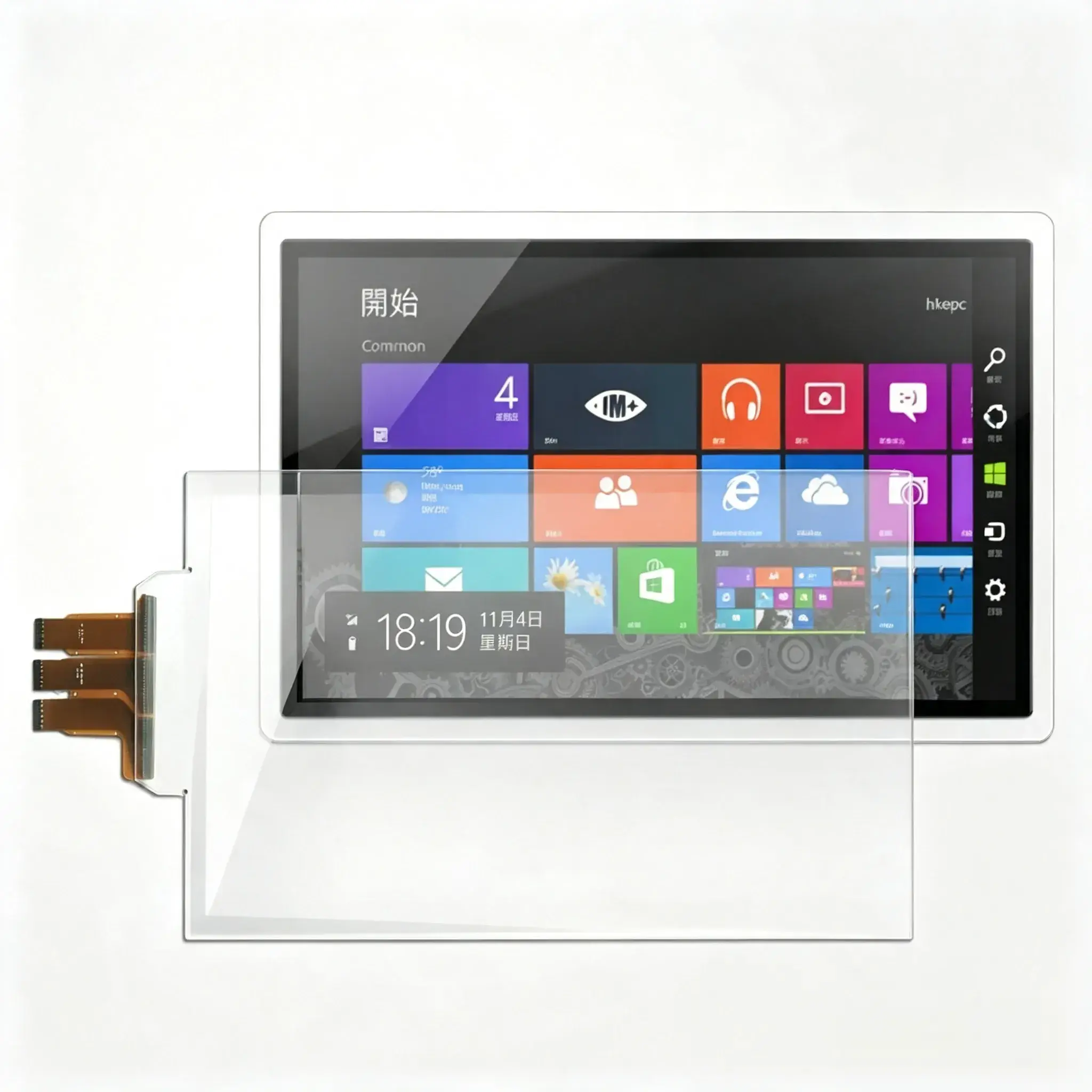
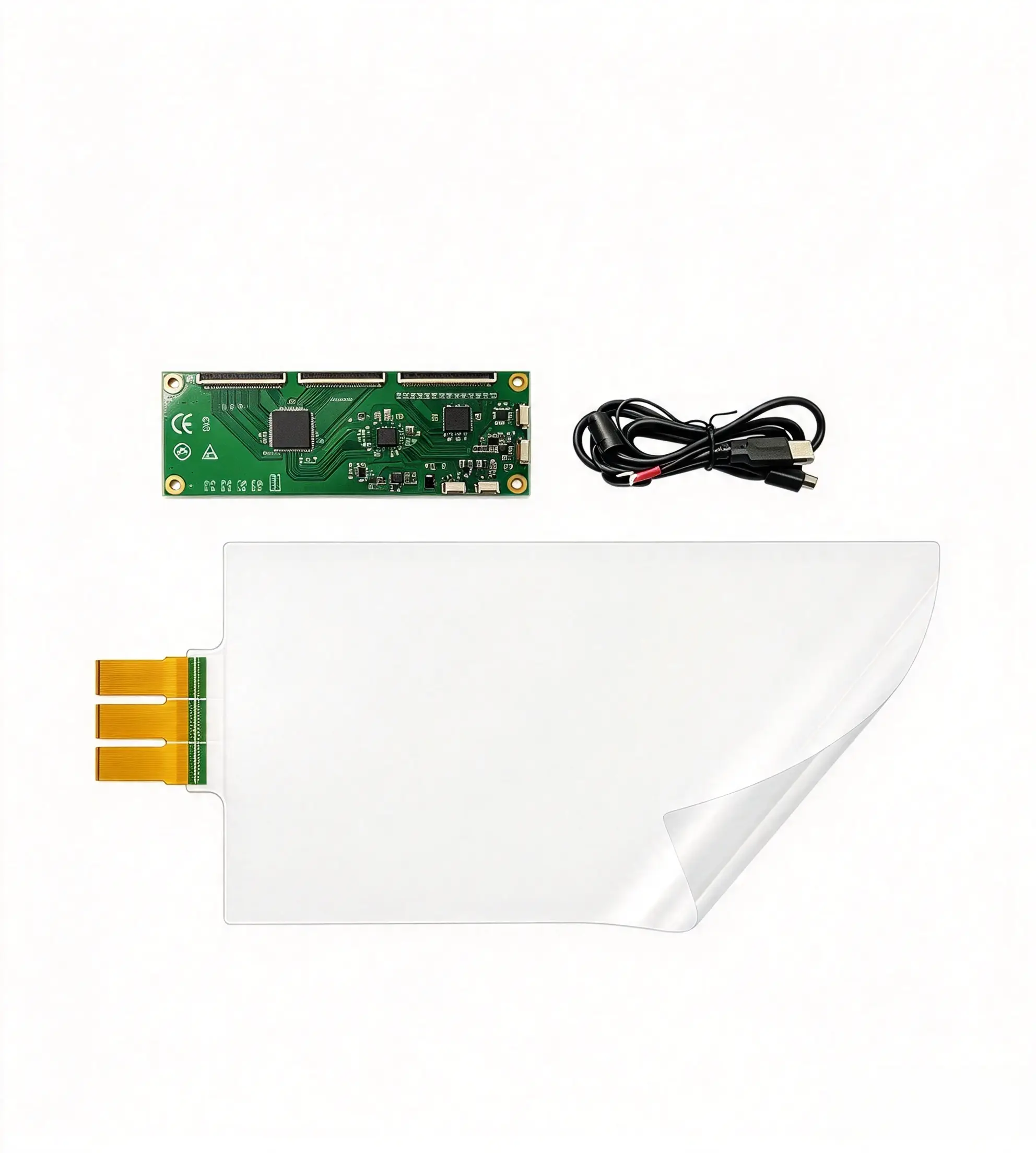
The touch foil is installed behind suitable glass and connected to a controller and host system. A display or projection system provides the visual content, while the touch layer detects input through the glass. The user touches the exterior surface without contacting the sensor electronics.
Smart glass usually refers to glass whose appearance or privacy state can change, while an interactive window refers to a surface that accepts touch input. These functions can be combined, but the switchable layer, sensor, display method and controller must be checked for compatibility.
It can be feasible when the glass construction, available display or projection method and installation space are suitable. Assess the glass type and thickness, flatness, mounting conditions, power, controller location and viewing environment before choosing the touch foil.
Glass thickness, material, coatings and laminated construction affect touch sensitivity and controller tuning. Provide the actual glass specification rather than only the window dimensions. A prototype using the intended glass is the most reliable way to confirm touch performance.
The foil is transparent, but the final result depends on the complete system, including glass, adhesive, display or projector, ambient light and installation quality. Evaluate transparency, reflections and image contrast using the intended construction and viewing conditions.
Typical projects include office partitions, meeting-room displays, retail windows, exhibitions and interactive showcases. Project requirements should define the glass dimensions, display method, user interaction, viewing distance, ambient light, host system and installation quantity.