
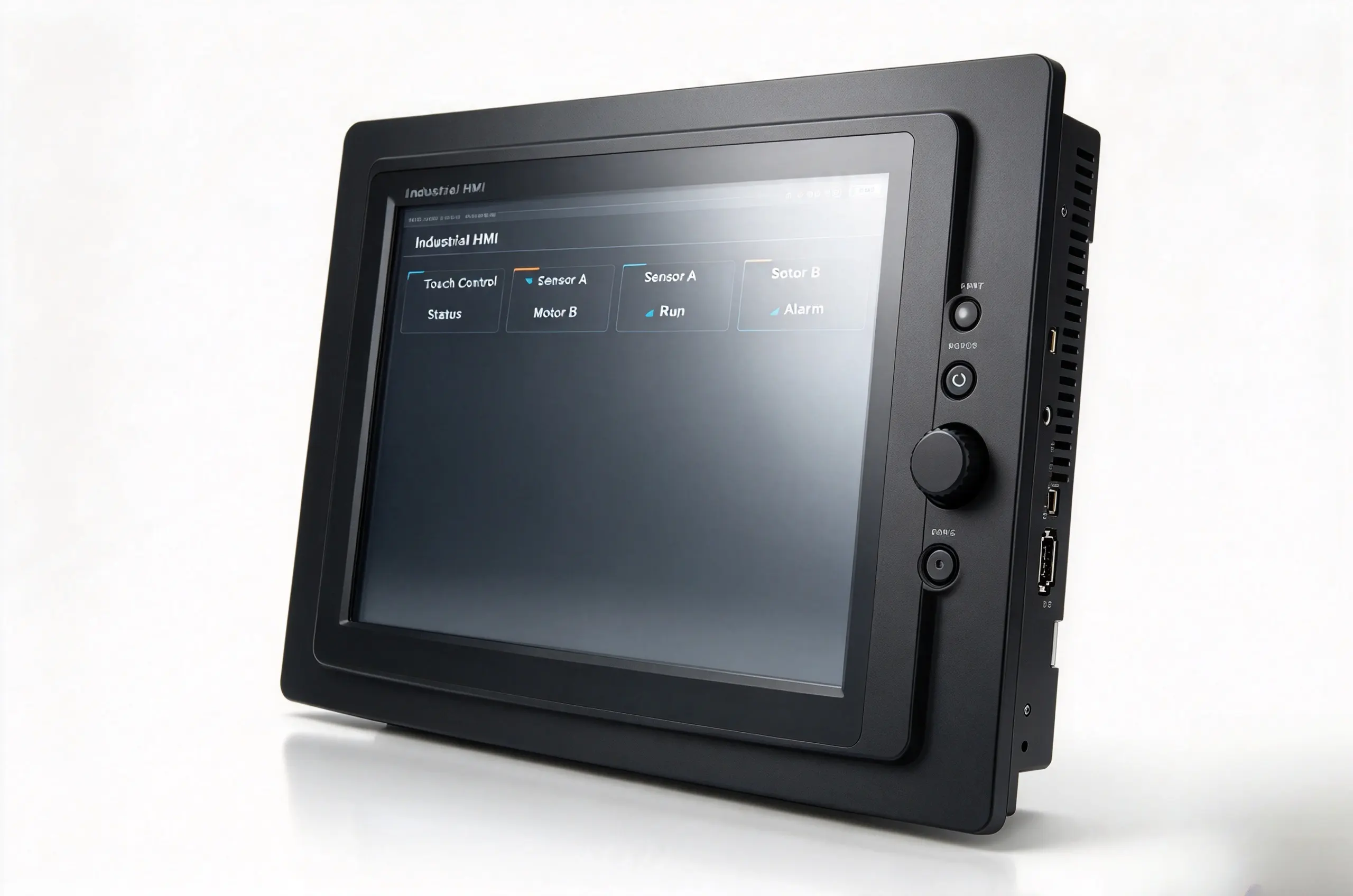
Industrial Panel PC / Touch IPC
View model →
Industrial HMI & Control Panels integrate durable PCAP touch film and modules into factory automation, machinery control, and process monitoring systems. These solutions withstand harsh conditions including dust, vibration, and extreme temperatures, delivering precise multi-touch interaction on rugged displays.
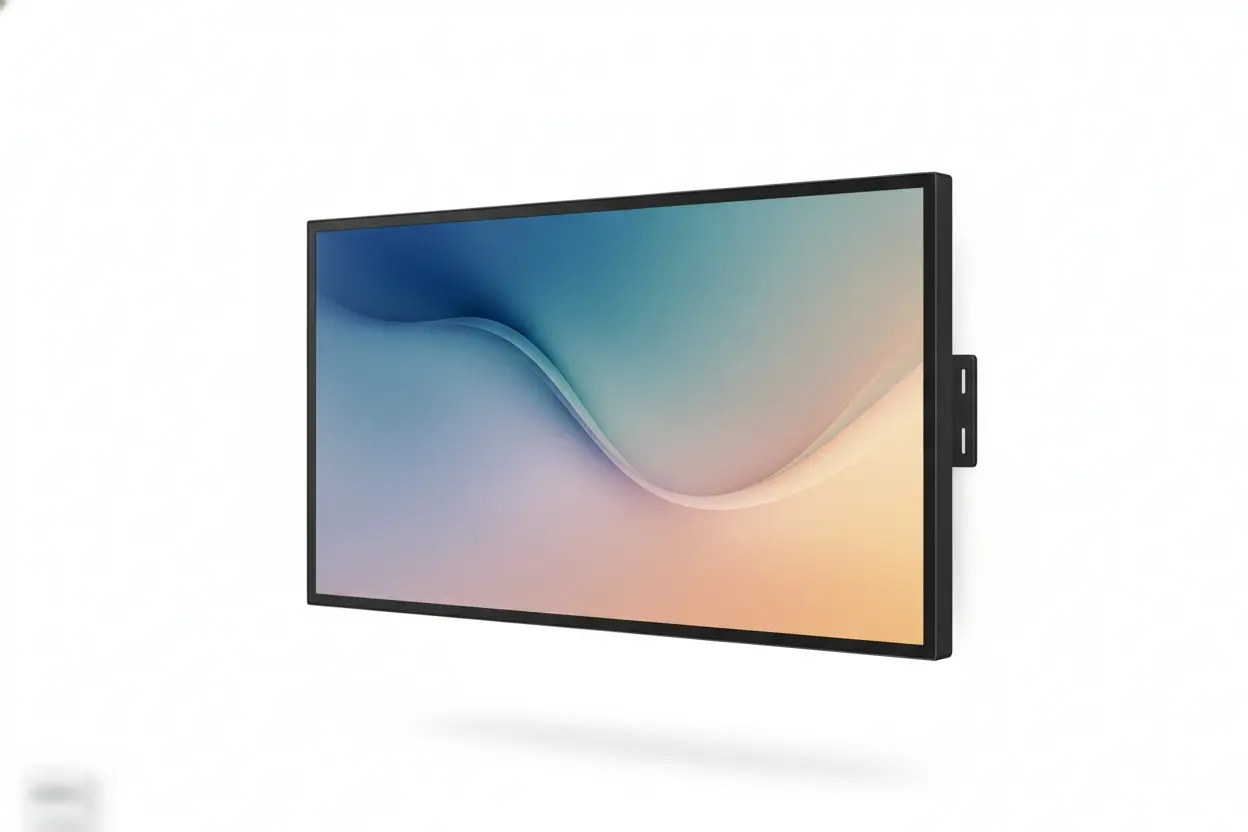
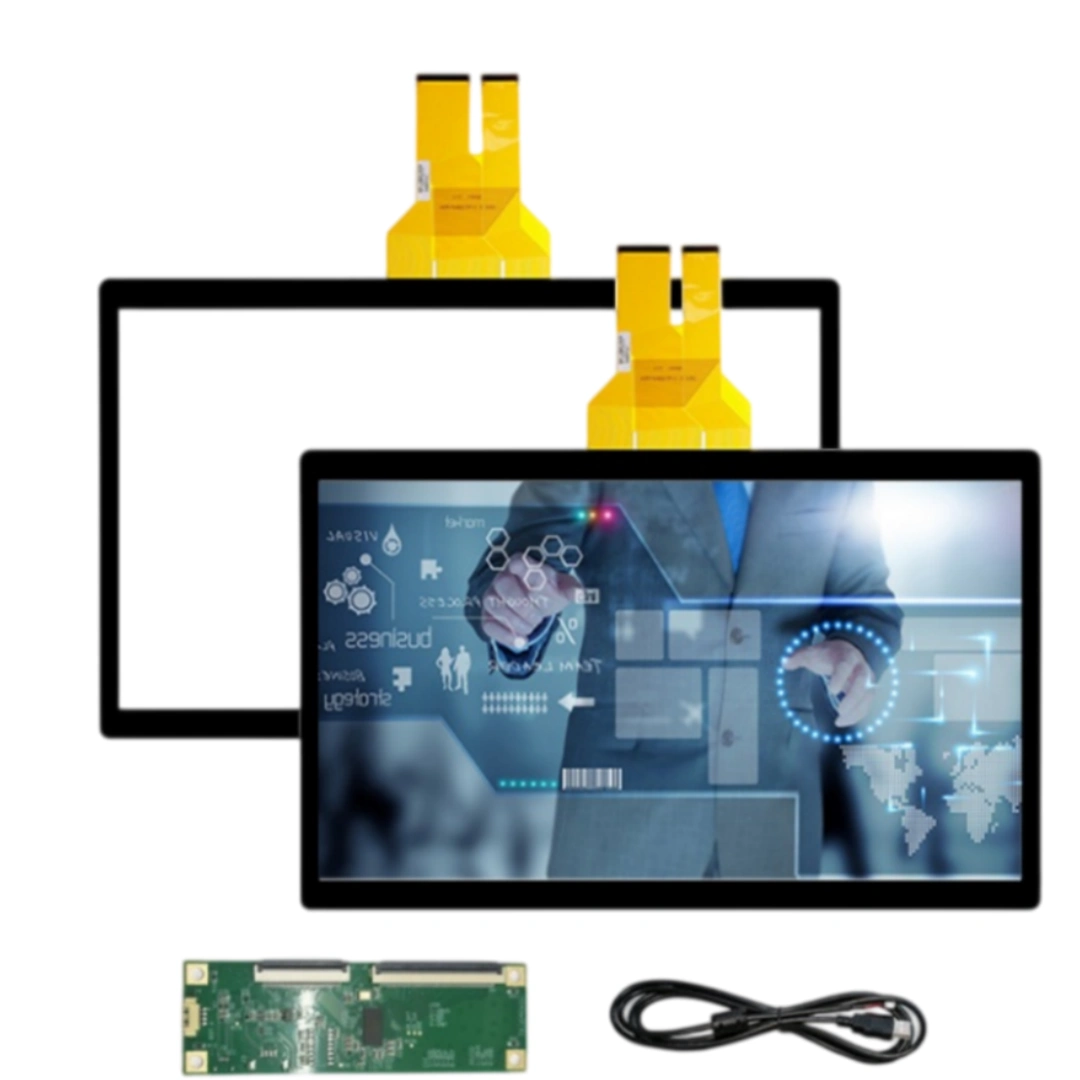
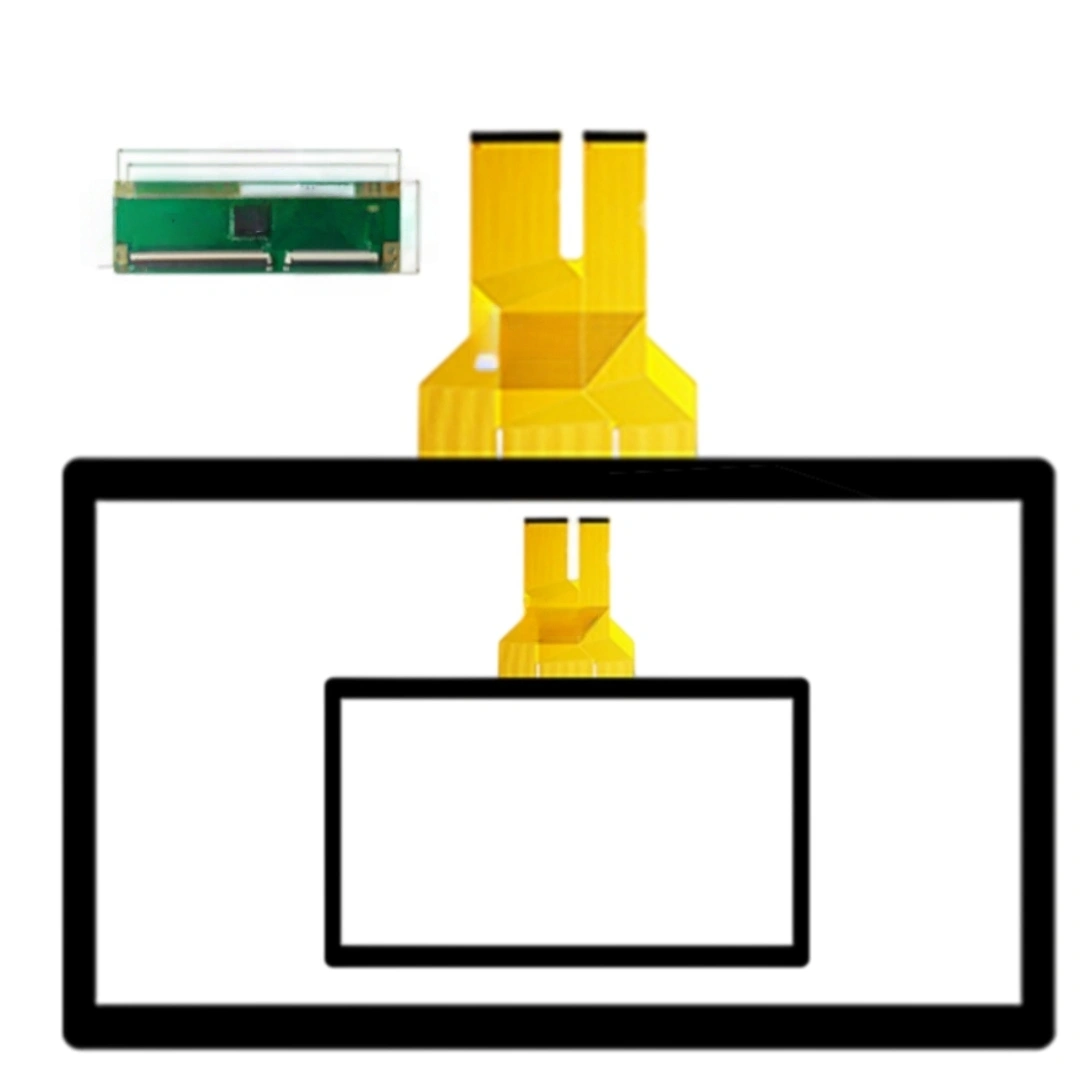
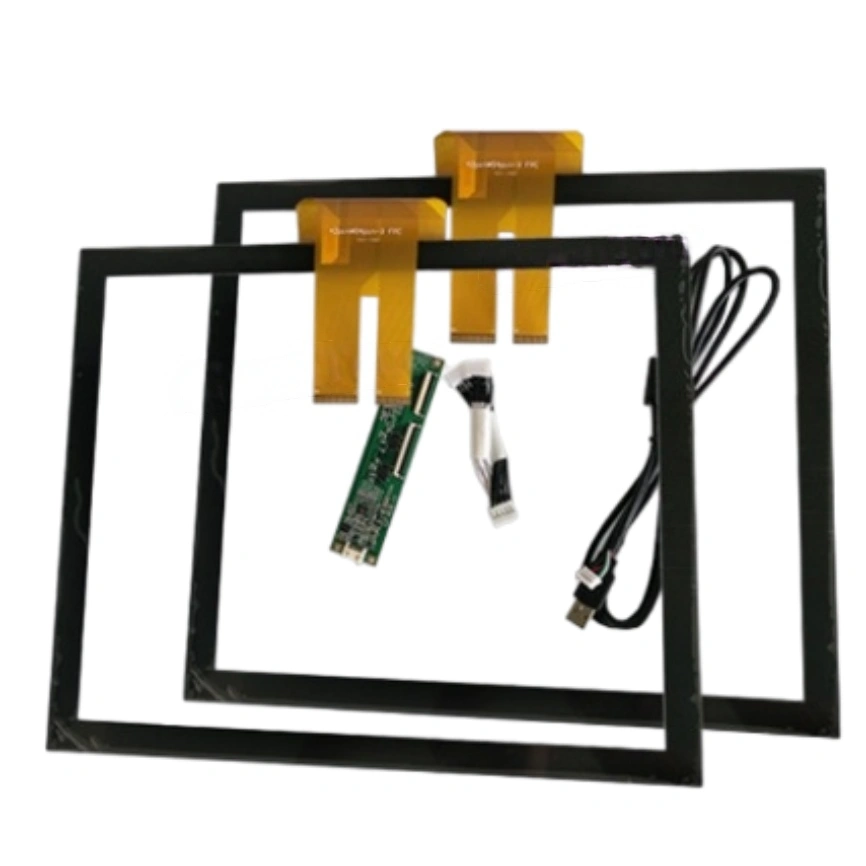
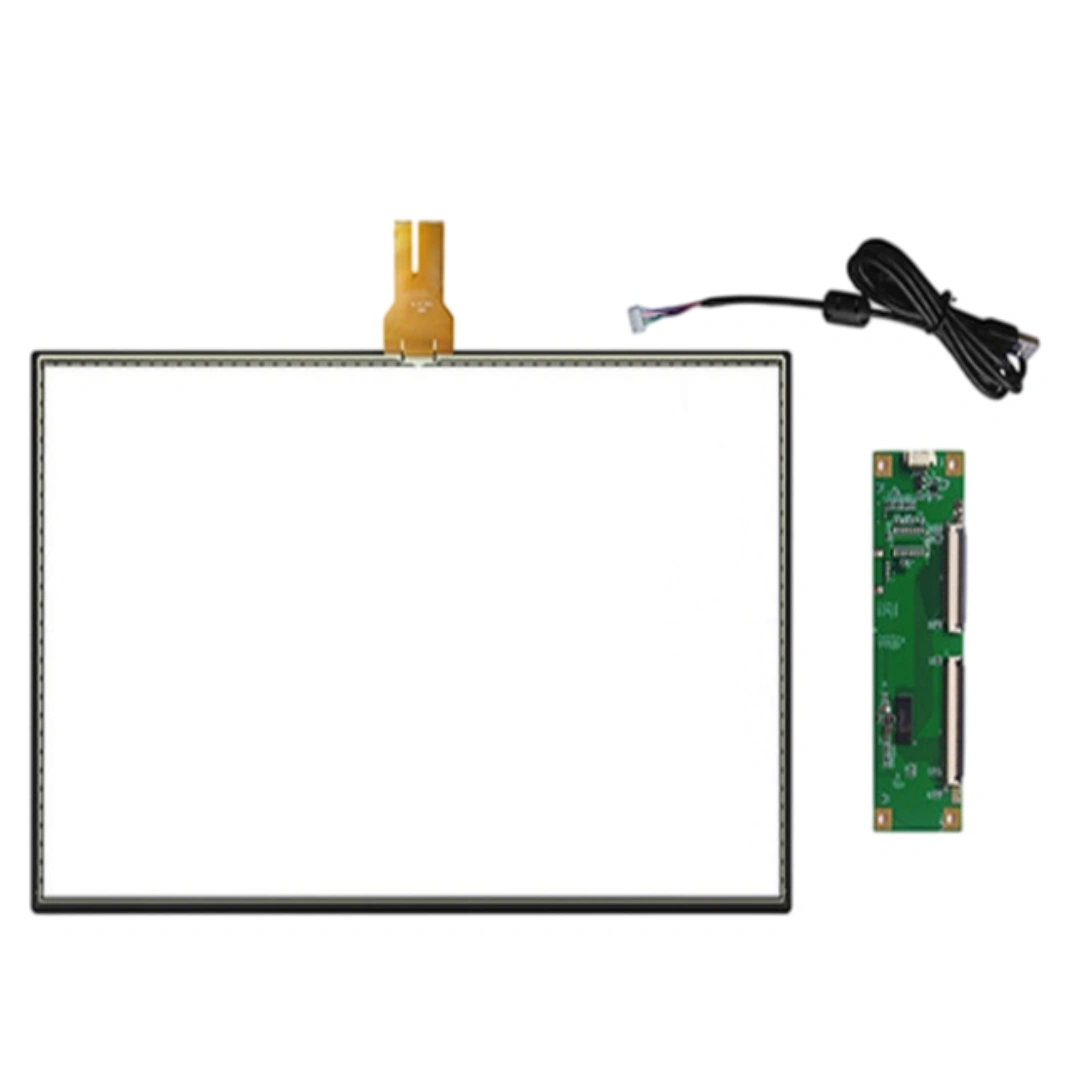
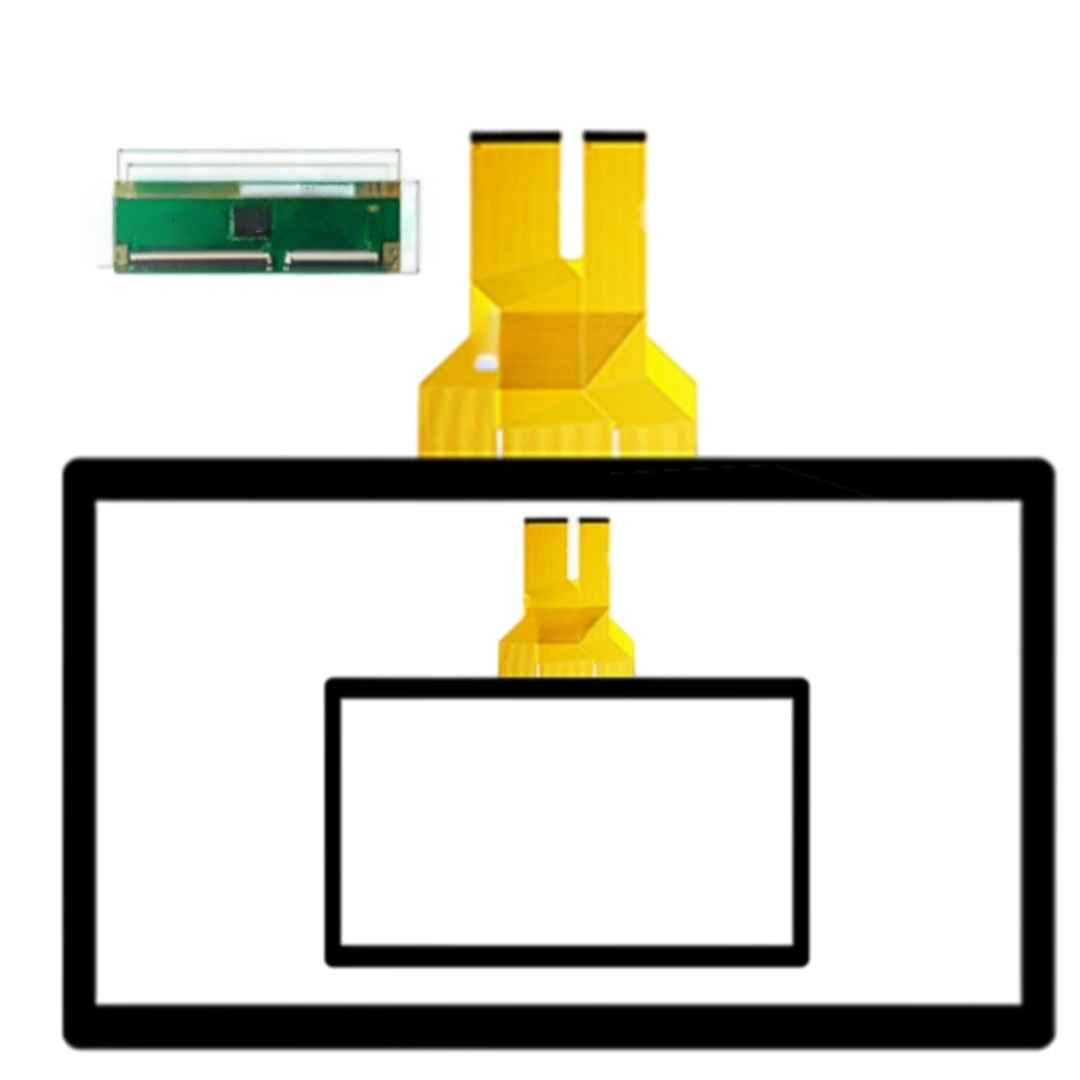
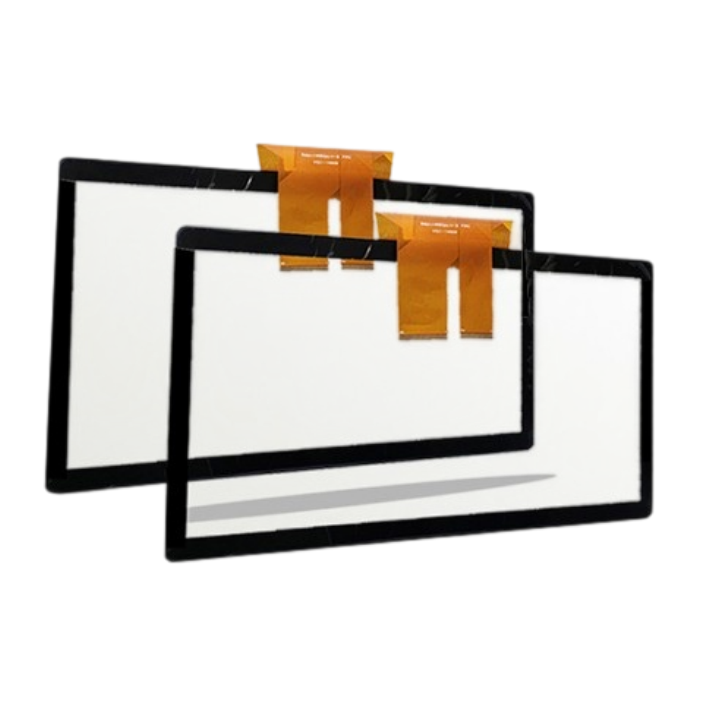
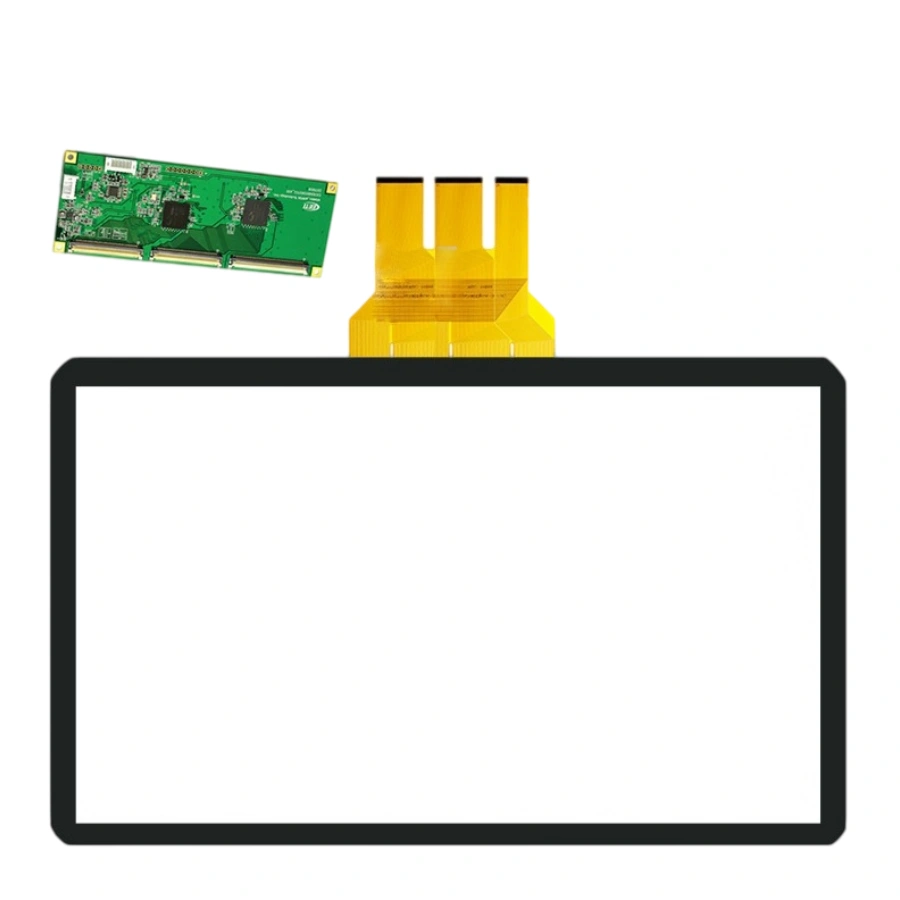
Selection should cover the display and cover-lens structure, operating temperature, moisture, dust, vibration, electrical noise, cleaning agents and expected operator behavior. The sensor and controller should be evaluated as part of the complete HMI assembly, not as an isolated film.
Glove and wet-operation performance depend on the controller, sensor design, cover lens and tuning. Specify the glove material and thickness, water exposure and required gestures, then validate those exact conditions during prototype testing rather than assuming universal support.
Yes. Placing the sensor behind a protective cover keeps it away from routine contact and surface contamination. However, dust resistance of the complete HMI still depends on enclosure sealing, joints, connectors and installation design, so the entire assembly must be considered.
It may be possible if there is enough space for the sensor, controller and cabling, and the cover structure is suitable. Review the display model, active area, cover thickness, host interface, operating system and electrical environment before deciding whether retrofitting is practical.
Controller selection, grounding, shielding, cable routing and power-supply quality all affect touch stability near motors, drives and switching equipment. The prototype should be tested inside the intended machine and under representative operating loads, with tuning based on the measured interference conditions.
Include mechanical drawings, display and cover specifications, operating system, interface, temperature range, ingress-protection target, glove or wet-operation needs, vibration conditions and nearby interference sources. Also define the acceptance tests required for prototype approval.