GT-CTS-Y10.4
View model →
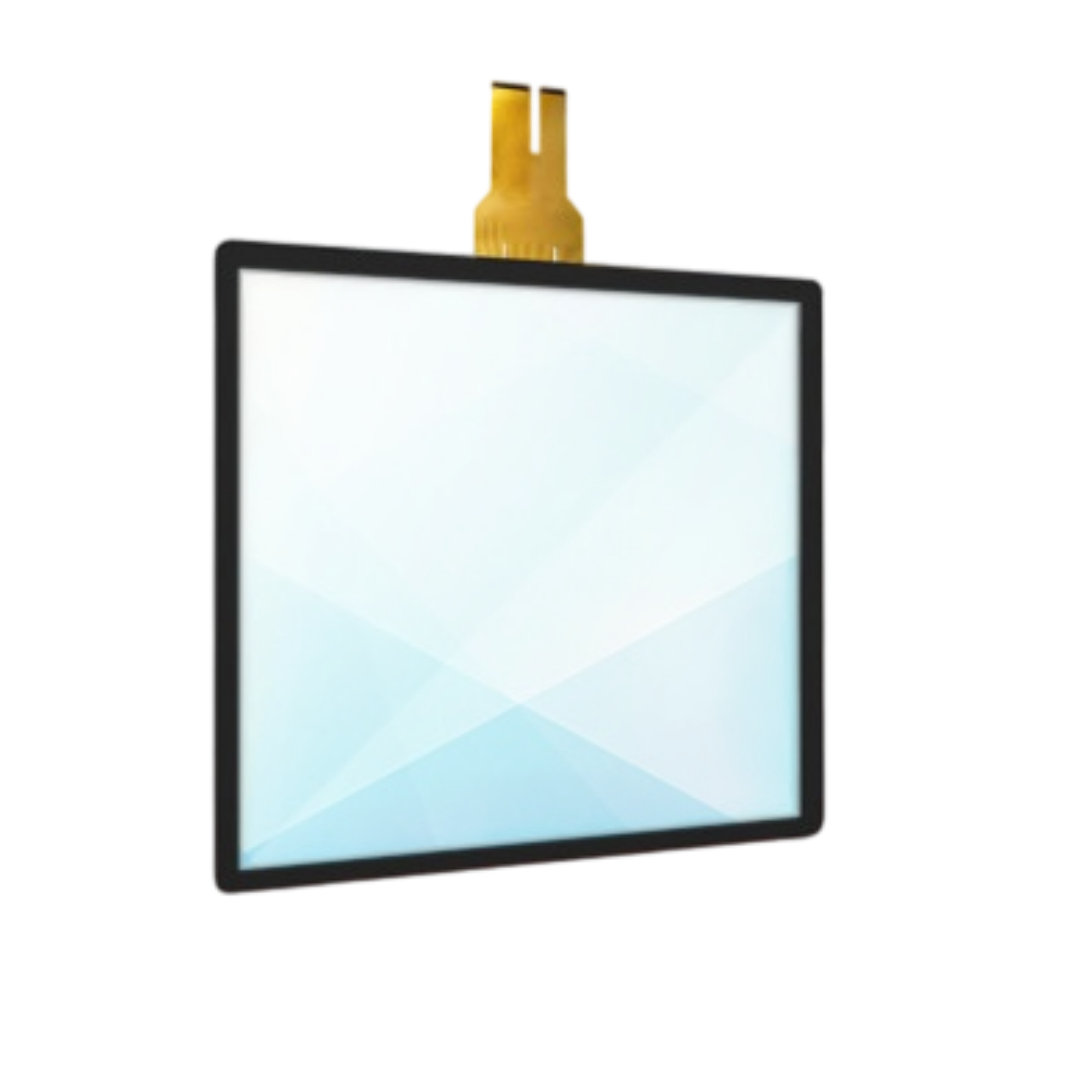
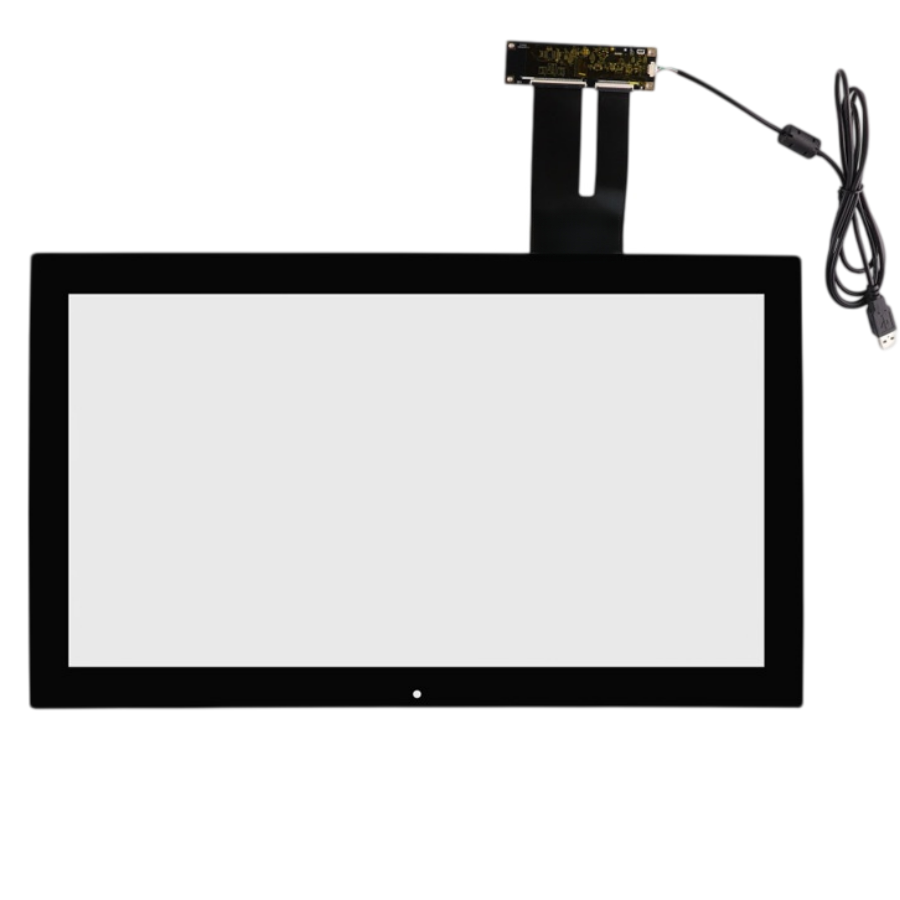
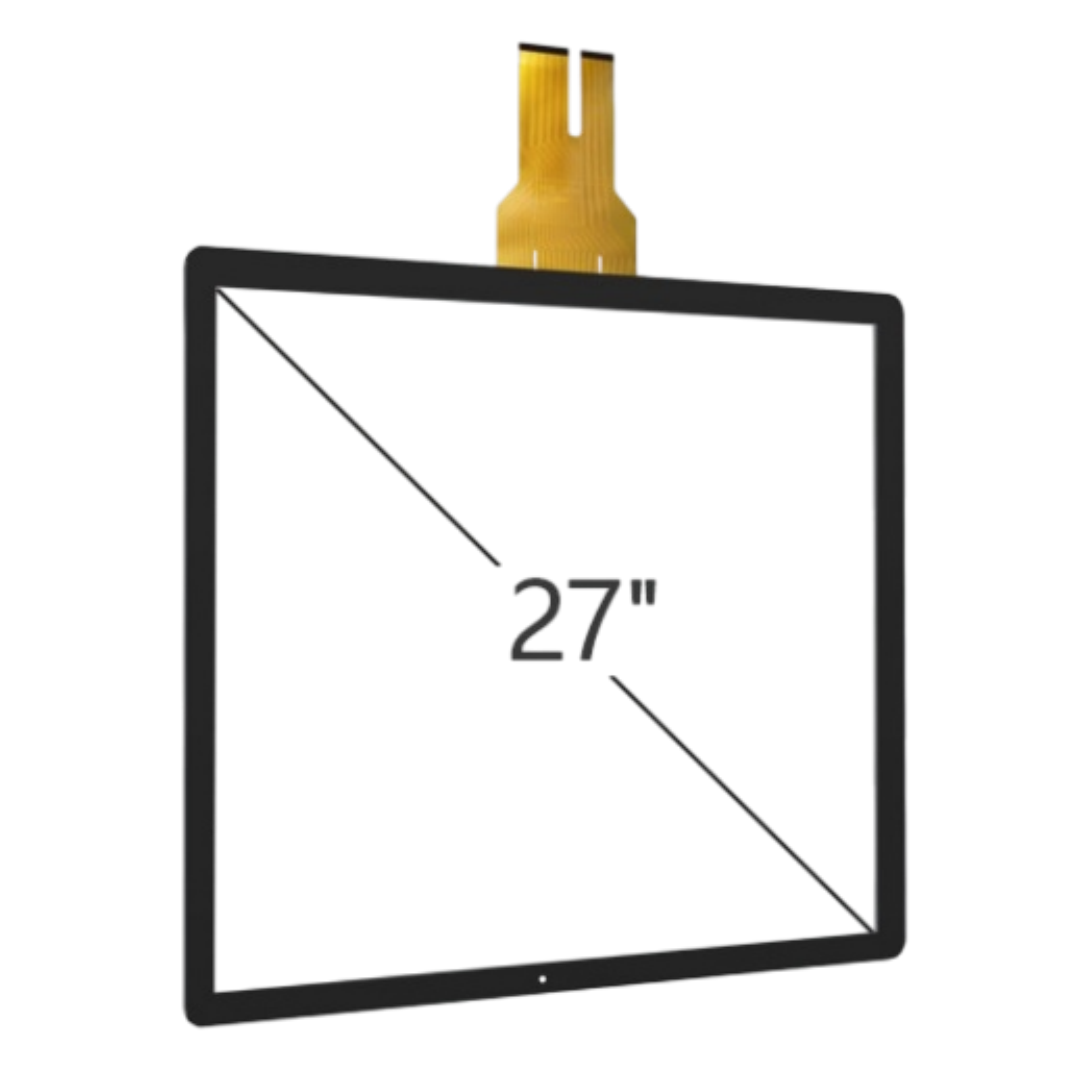
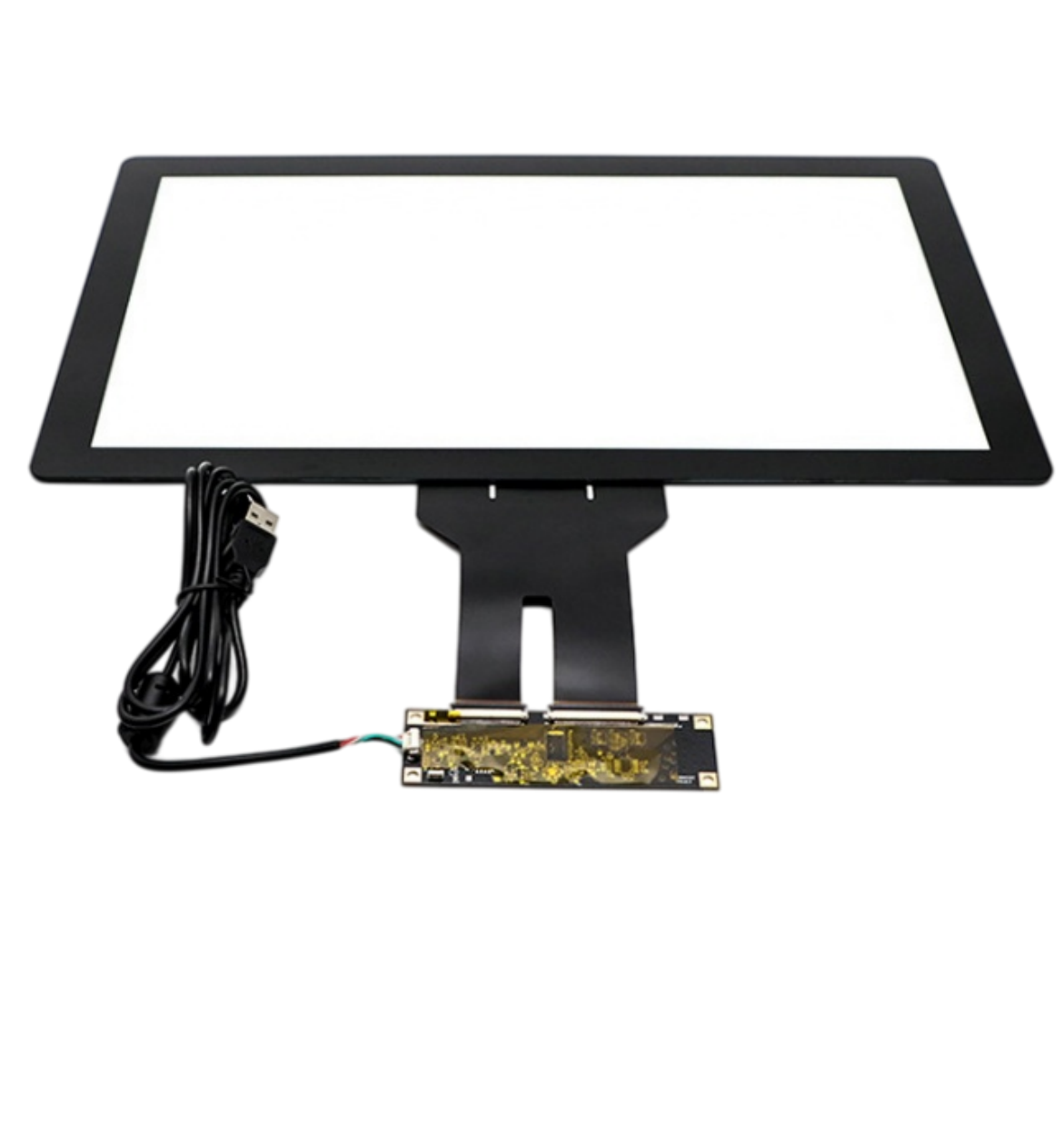
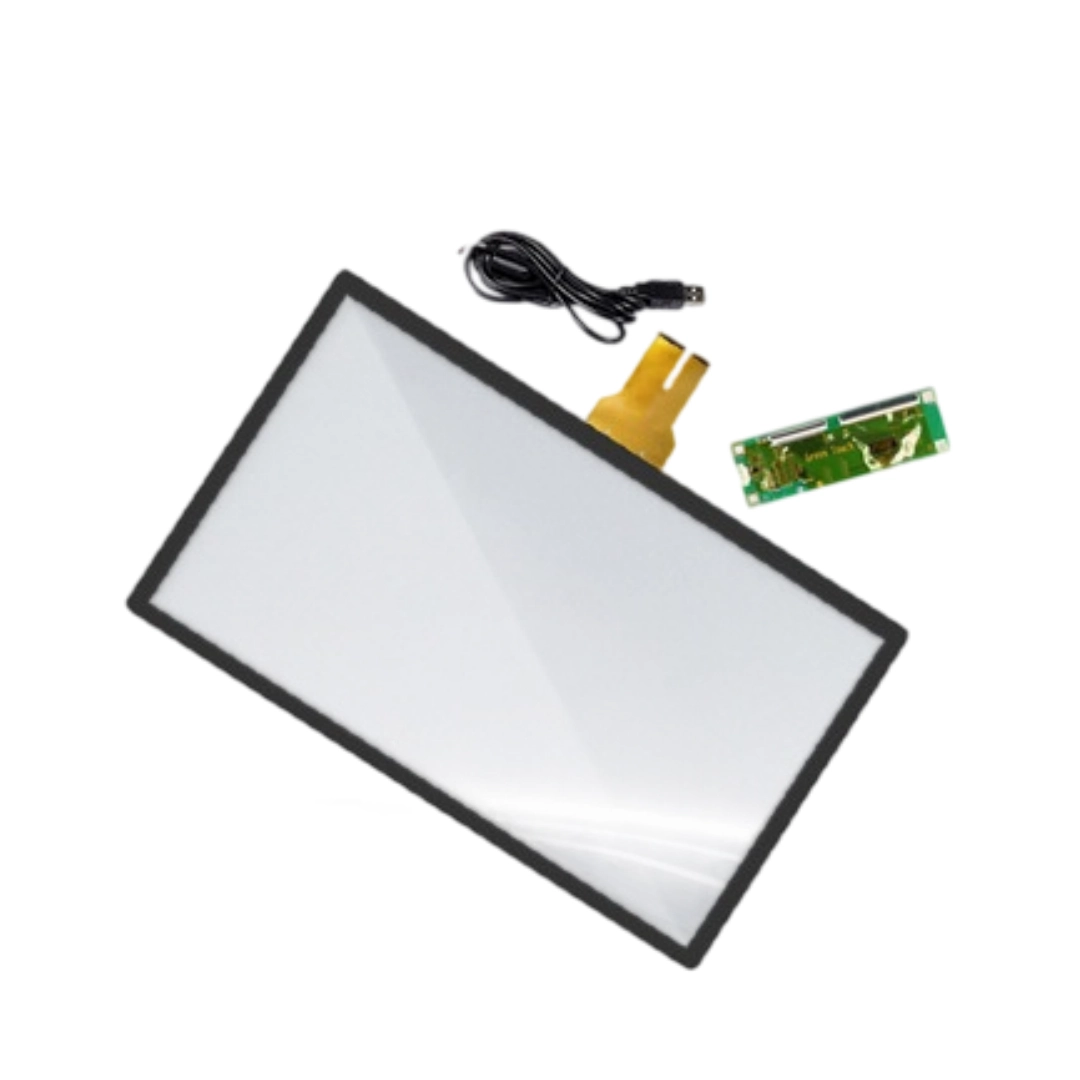
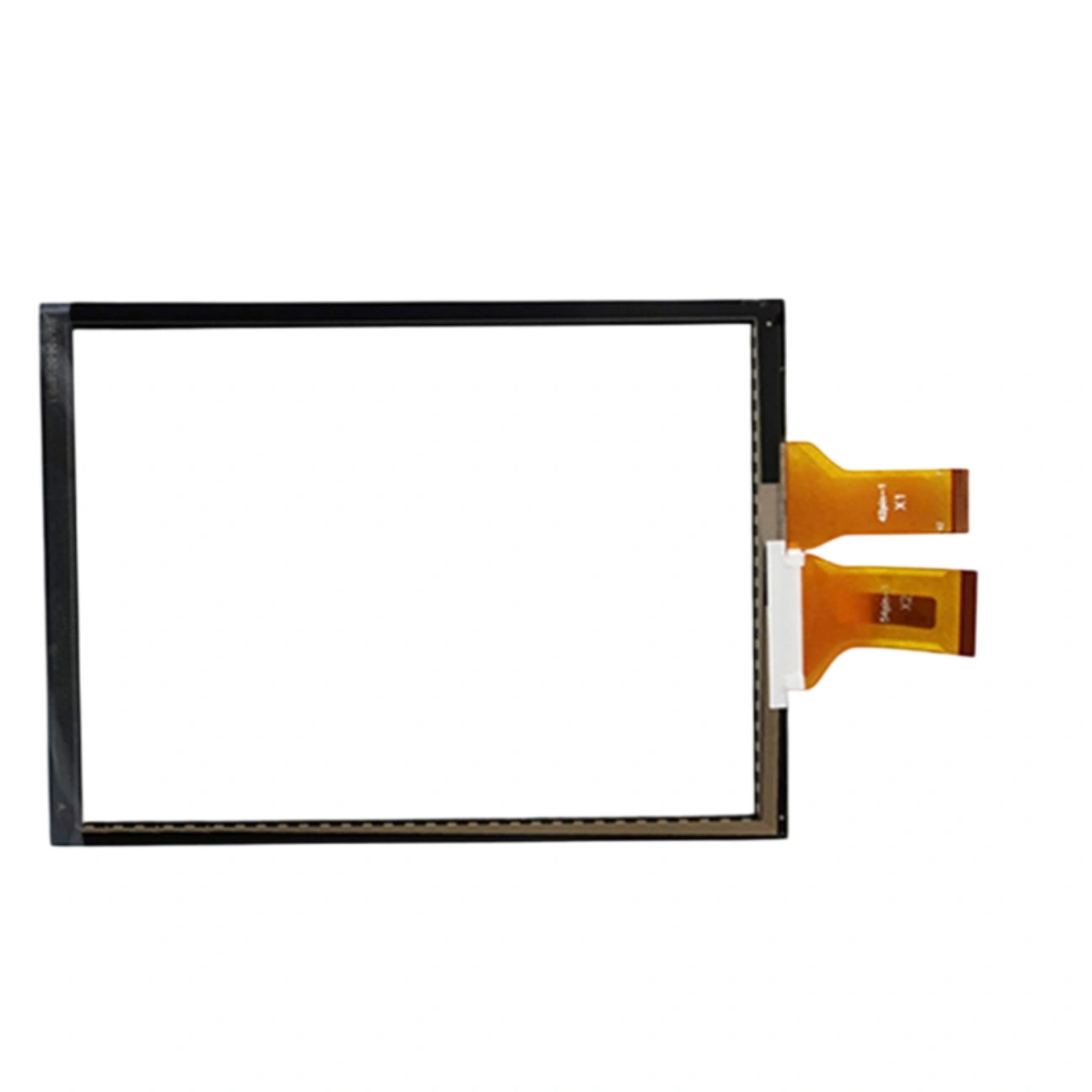
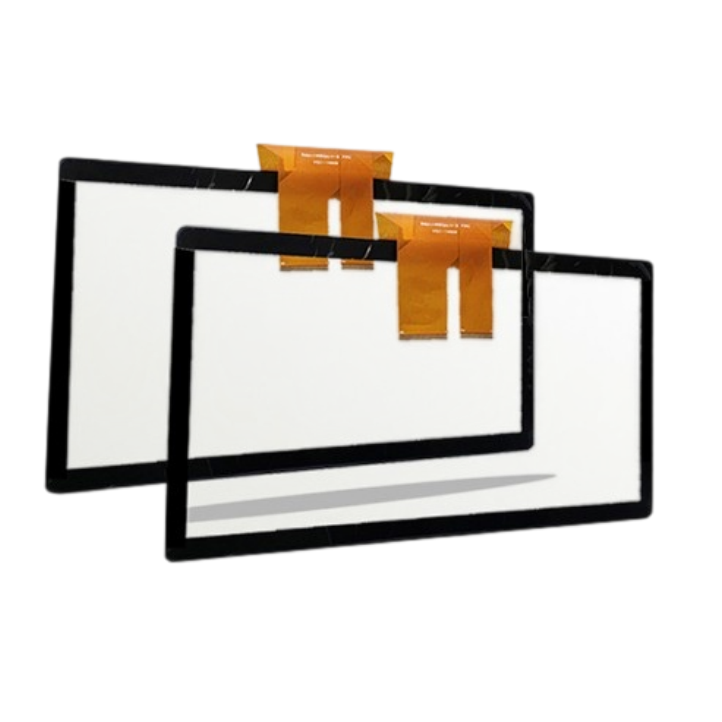
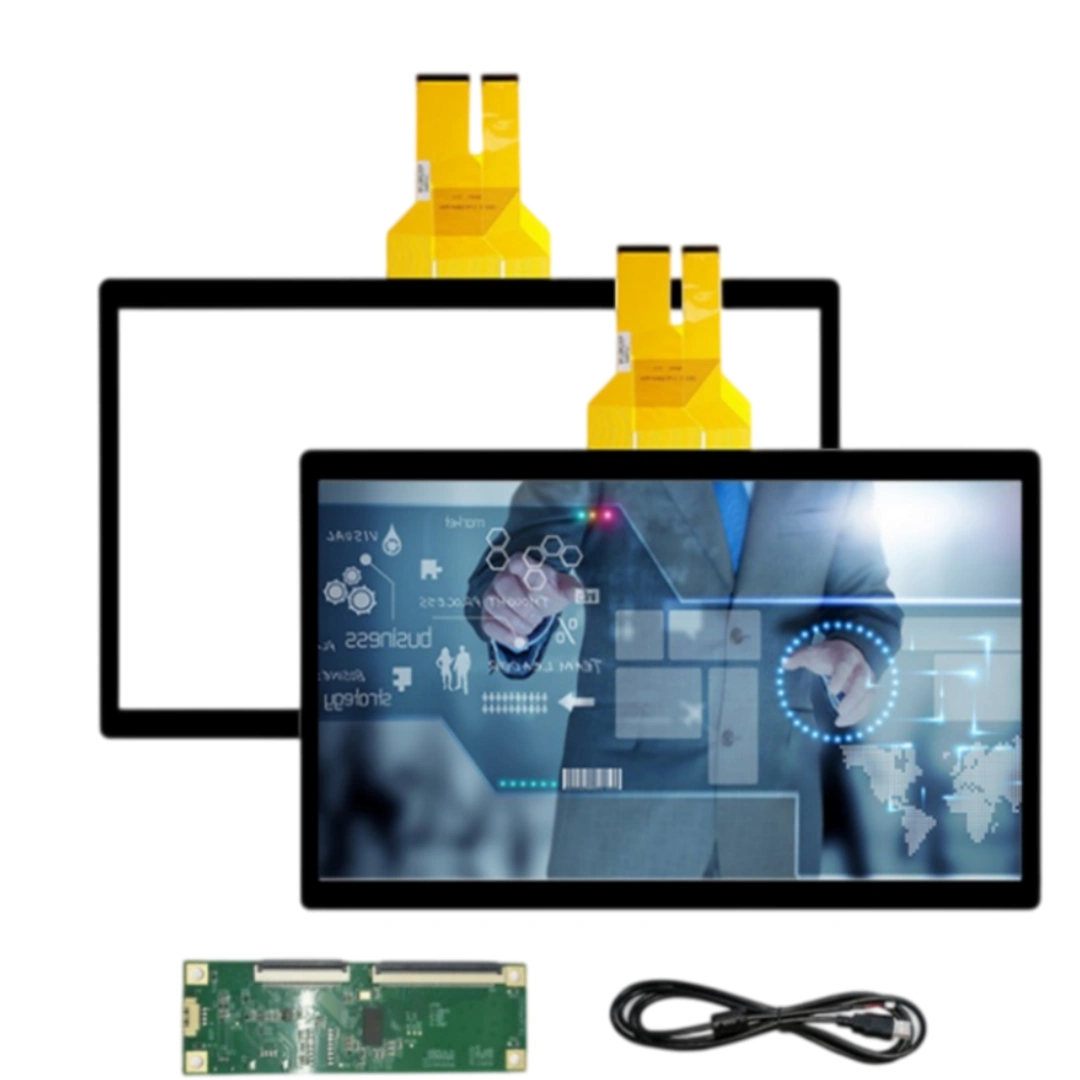
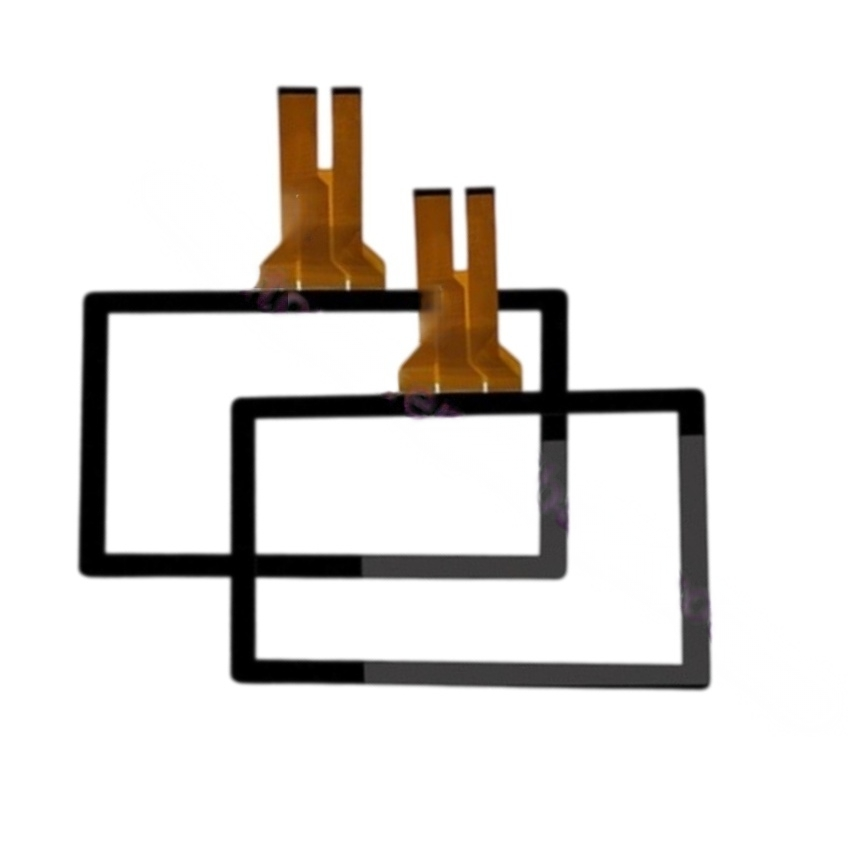
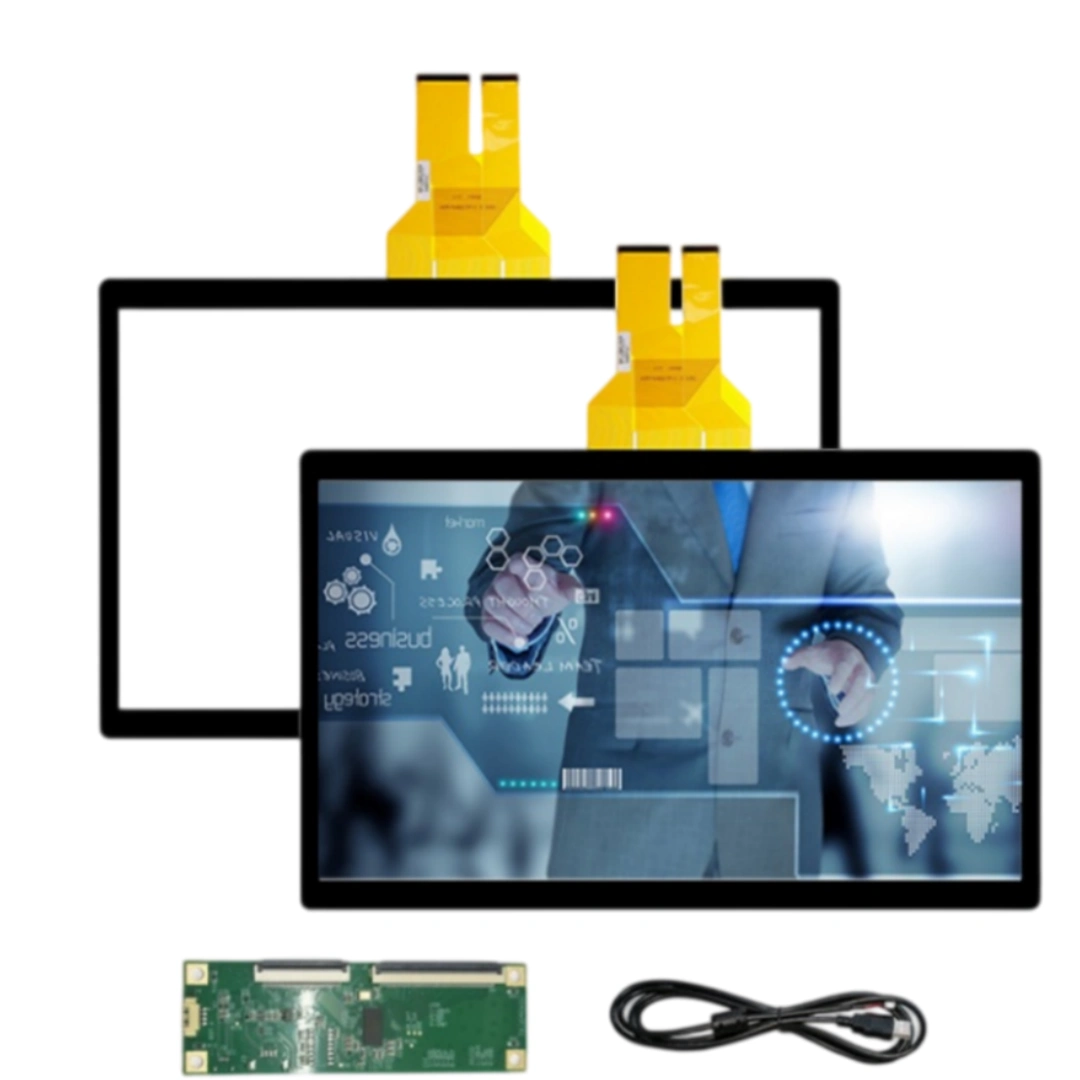
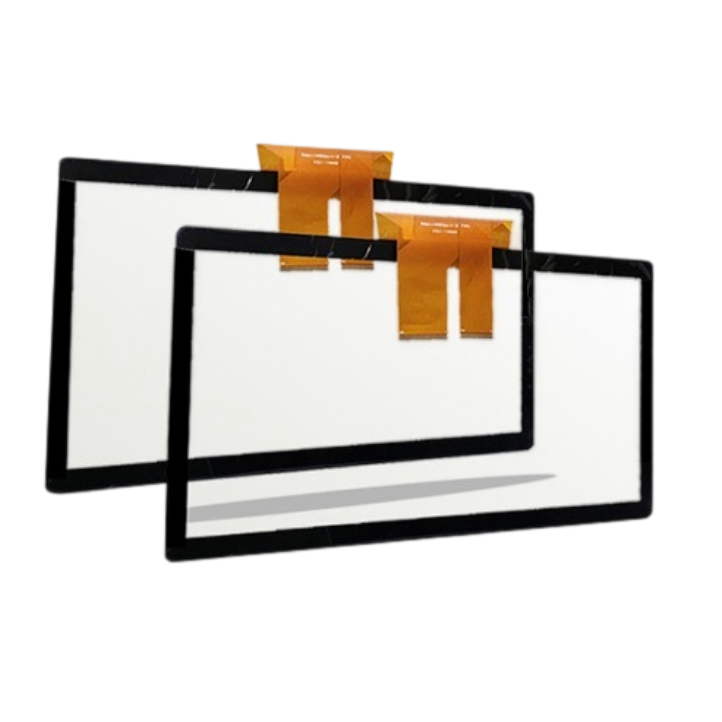
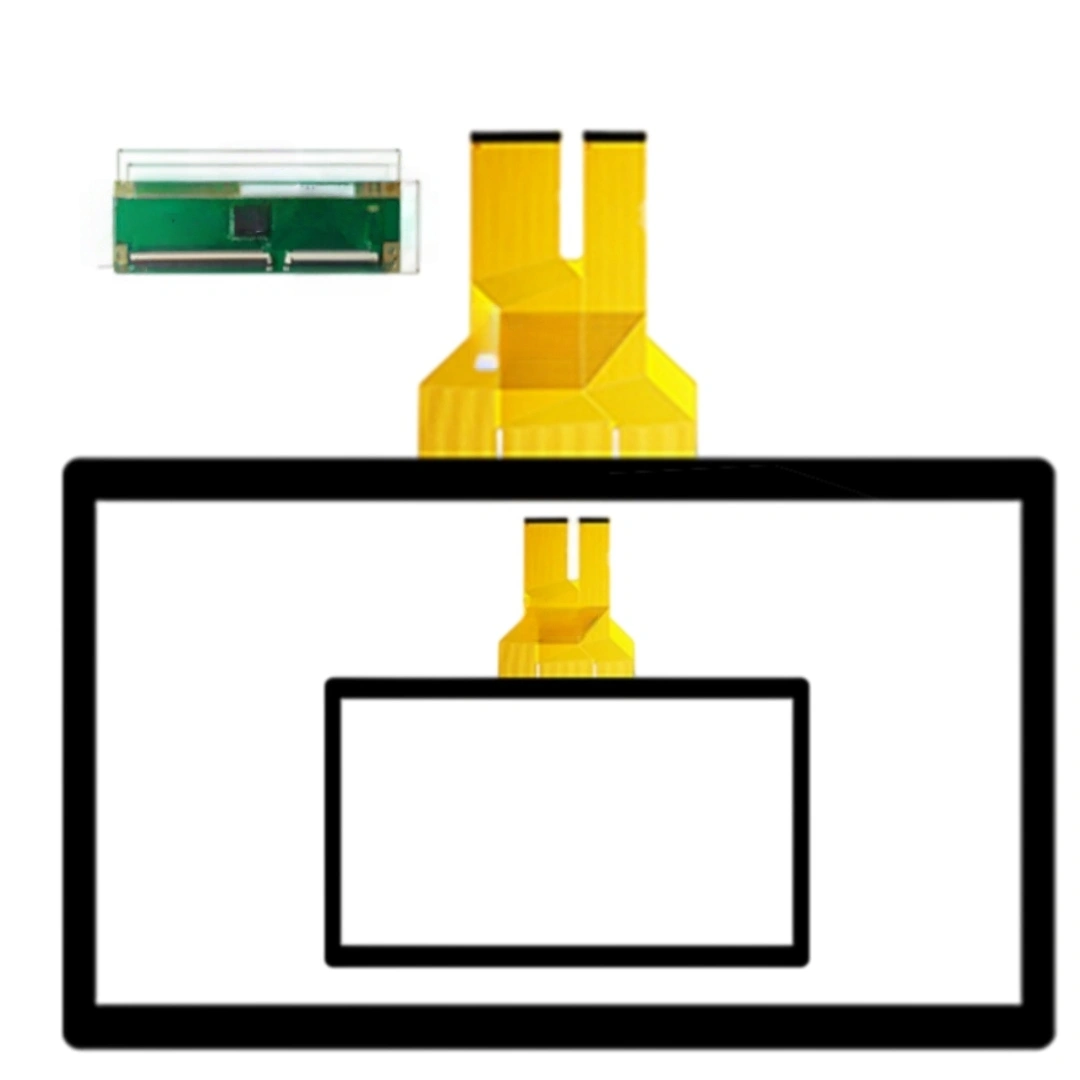
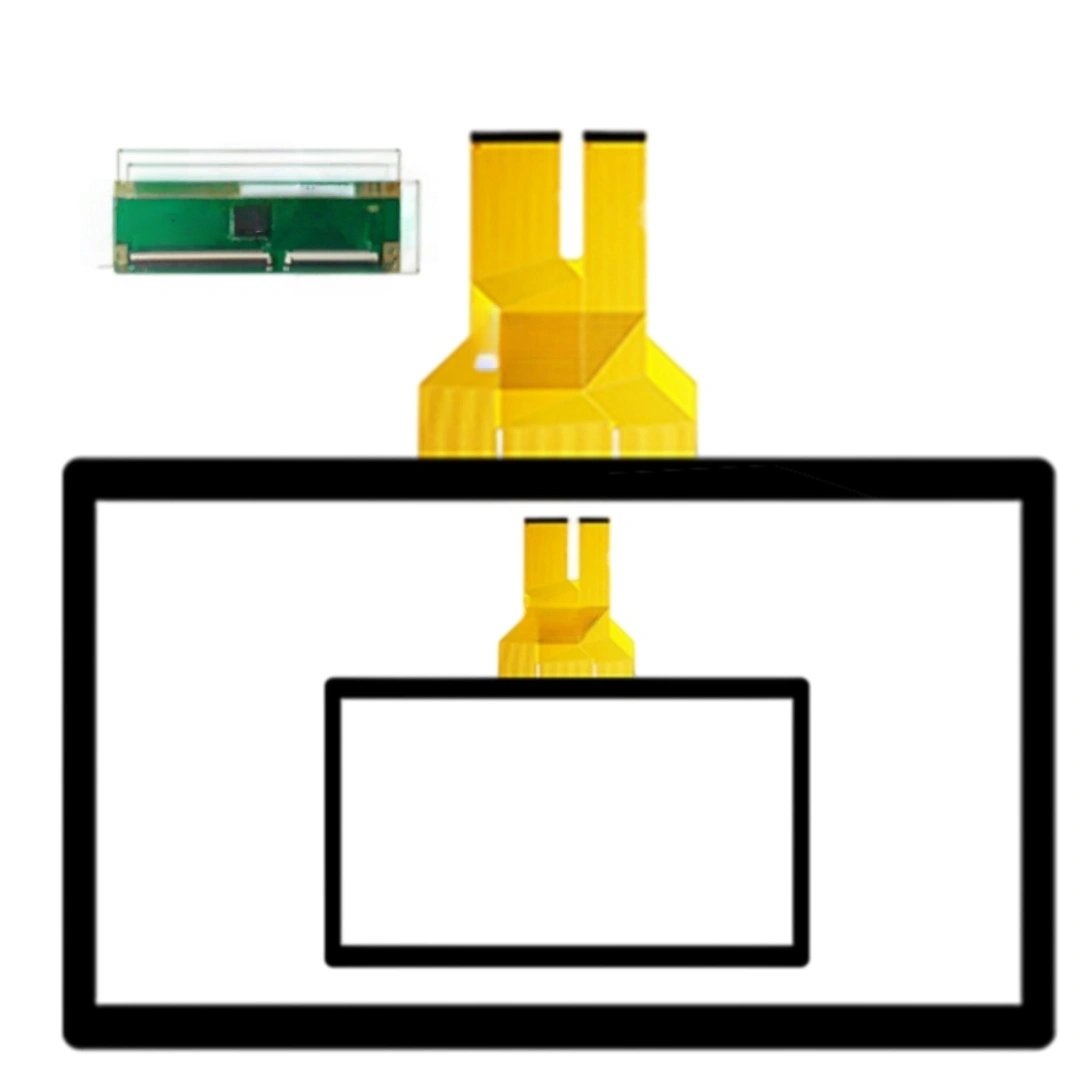
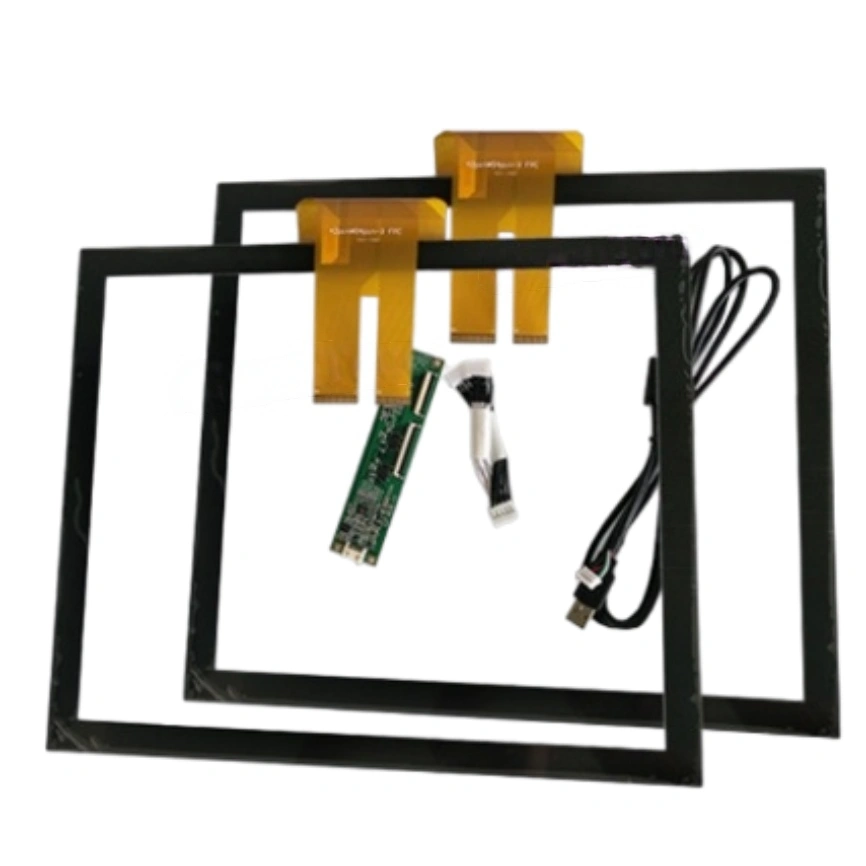
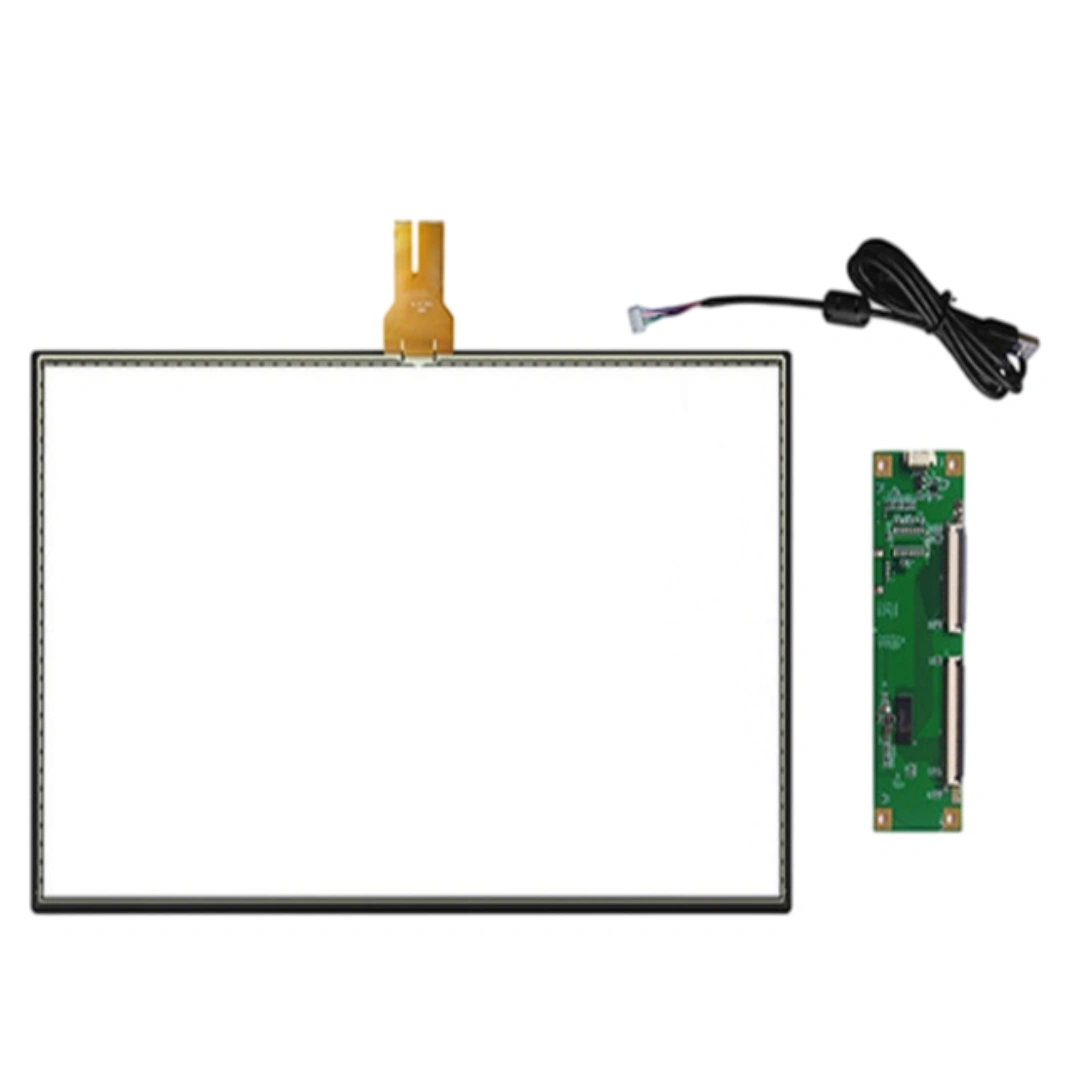
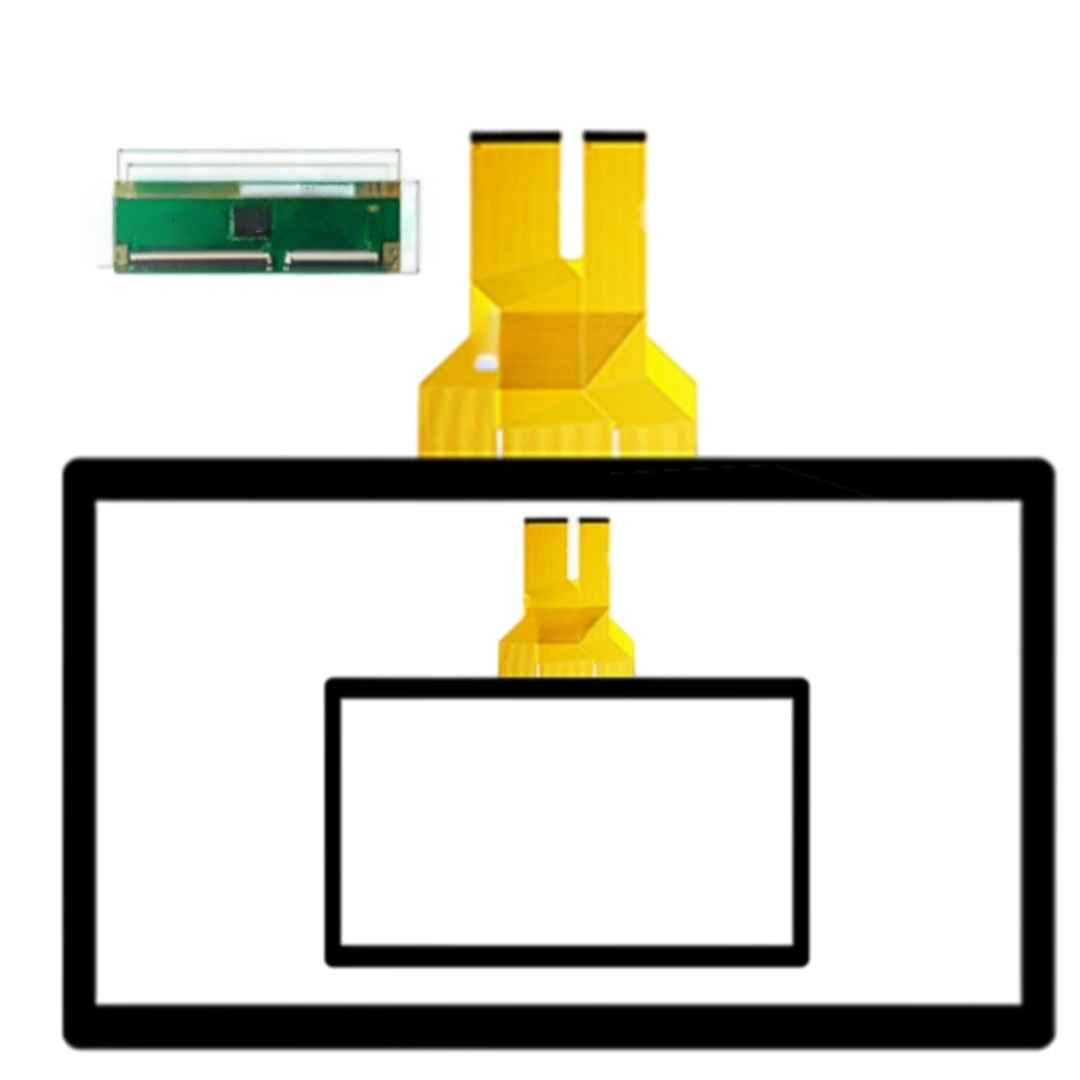
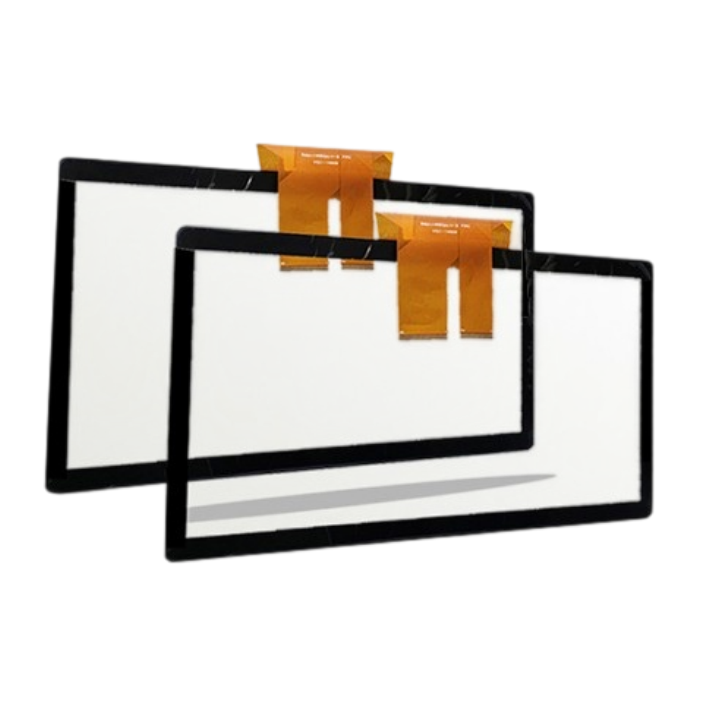
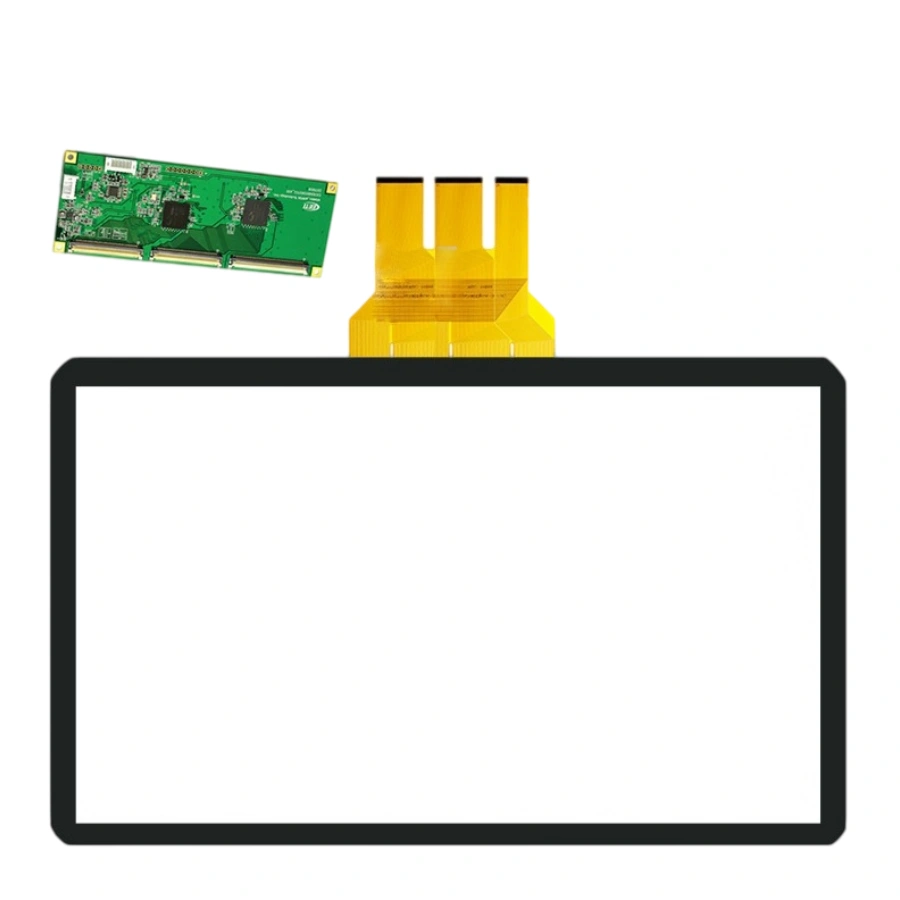
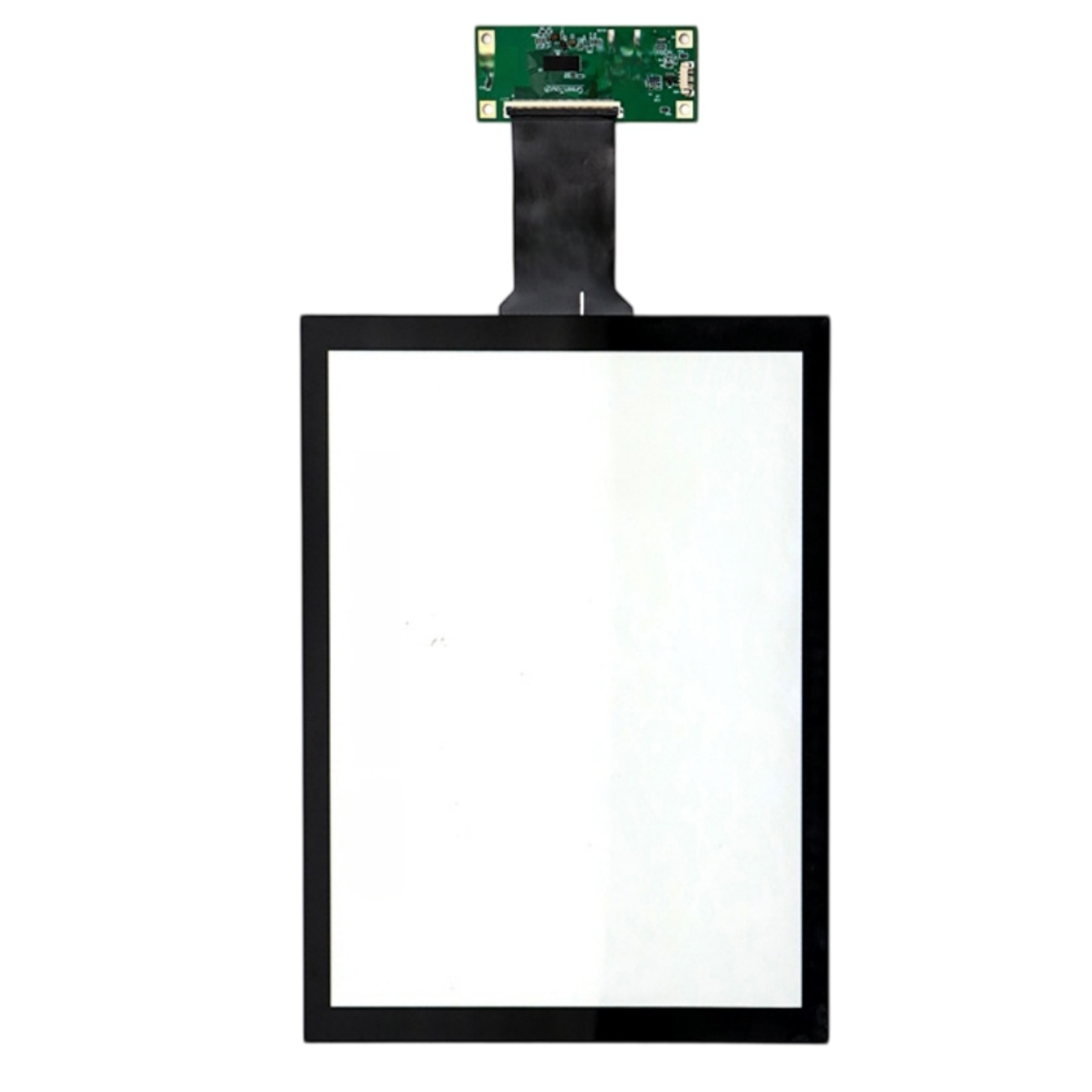
This 19-inch projected capacitive touch screen uses a P+G structure and has a 5:4 aspect ratio with USB. The listing specifies a 10 ms response time, 4096 × 4096 touch resolution and >85% transmittance. Listed applications include Ordering machines; the title also references industrial control applications.
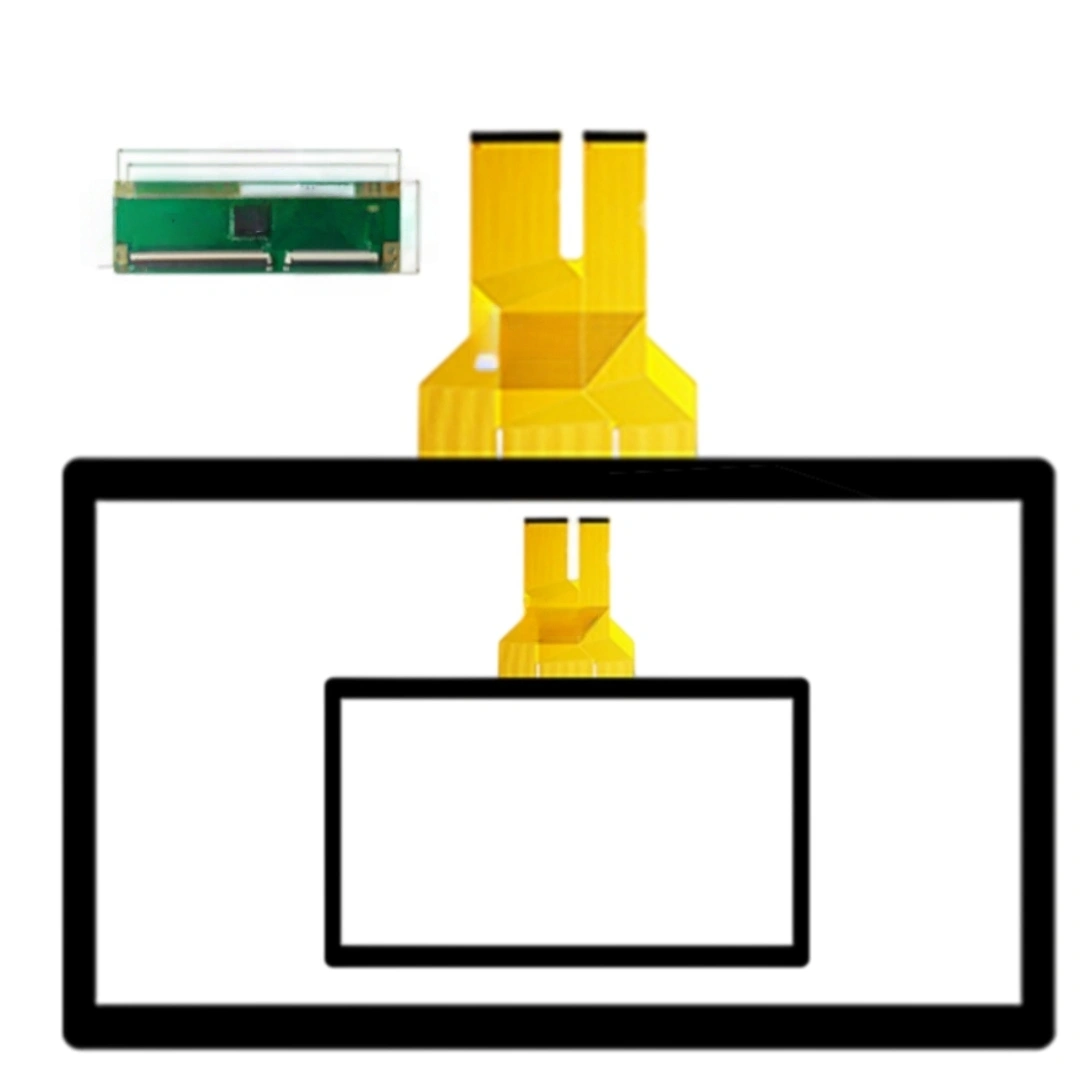
P+G puts a thin PET film over the glass sensor instead of a second piece of tempered glass. That makes the front lighter, less likely to shatter on impact, and cheaper to replace if scratched. For indoor ordering machines and control panels (no outdoor vandal risk), P+G is the pragmatic pick — you trade some rigidity for lower cost and safer breakage.
5:4 is exactly why this model exists. There are still plenty of 1280×1024 SXGA industrial LCDs and legacy POS monitors in the field — pairing a 16:9 sensor with them leaves dead touch margins. GT-CTS19's sensor is cut to the 5:4 active rectangle, so it lines up with those legacy panels with no coordinate stretching.
6H is the pencil-hardness rating of the hardcoat on the PET, not the glass. It resists keys, cards and fingernails fine. What it won't survive is sharp metal tools or repeated dragging of a gritty object. For high-abrasion counters we can add a replaceable screen-protector film on top — the P+G underneath stays intact.
The PET top is sealed and the sensor is behind glass, so splashes don't reach it. Steam condensing on the surface can cause brief ghost touches — we tune the wet-contact threshold so a thin film of oil/water doesn't false-trigger. For true hose-down environments you'd want a sealed G+G IP65 front; P+G is for splash-and-wipe, not pressure-wash.
EMI couples to the sensor through the controller and FPC, not the cover material — glass vs PET makes little difference there. The real P+G consideration is static: PET film can build surface charge in dry air, which we bleed off with a grounded bezel and a stabilized controller baseline. Tell us your cabinet layout and we'll spec the grounding.
The PET film wraps to the edge of the glass; it's not a load-bearing surface. Don't let a metal bezel clamp directly on the active film — keep a 1.5–2 mm soft gasket so the edge isn't pinched. As long as the bezel presses the glass, not the film lip, the P+G edge stays reliable for years.
5:4 is niche but stable in industrial and POS worlds — those LCD lines don't refresh every year like consumer TVs. We keep the 19" 5:4 sensor tooling as a standard item, not a custom one-off. Reorders pull from the same die and calibration recipe, so a 2026 build drops into the same cutout as a 2028 service replacement.
| Screen size | 19 inches |
|---|---|
| Touch screen type | Projected capacitive (PCAP) . |
| Structure | P+G . |
| Aspect ratio | 5:4 . |
| Interface and driver | USB . |
| Response time | 10 ms |
| Touch resolution | 4096 × 4096 . |
| Transmittance | >85 % |
| Surface hardness | 6 H |
| Listed applications | Ordering machines; industrial control applications . |